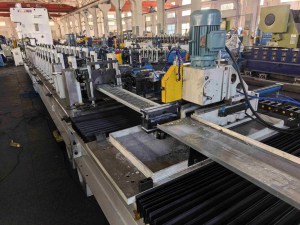
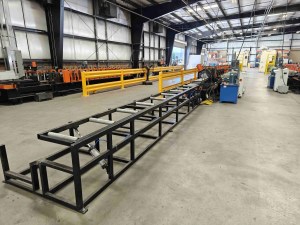
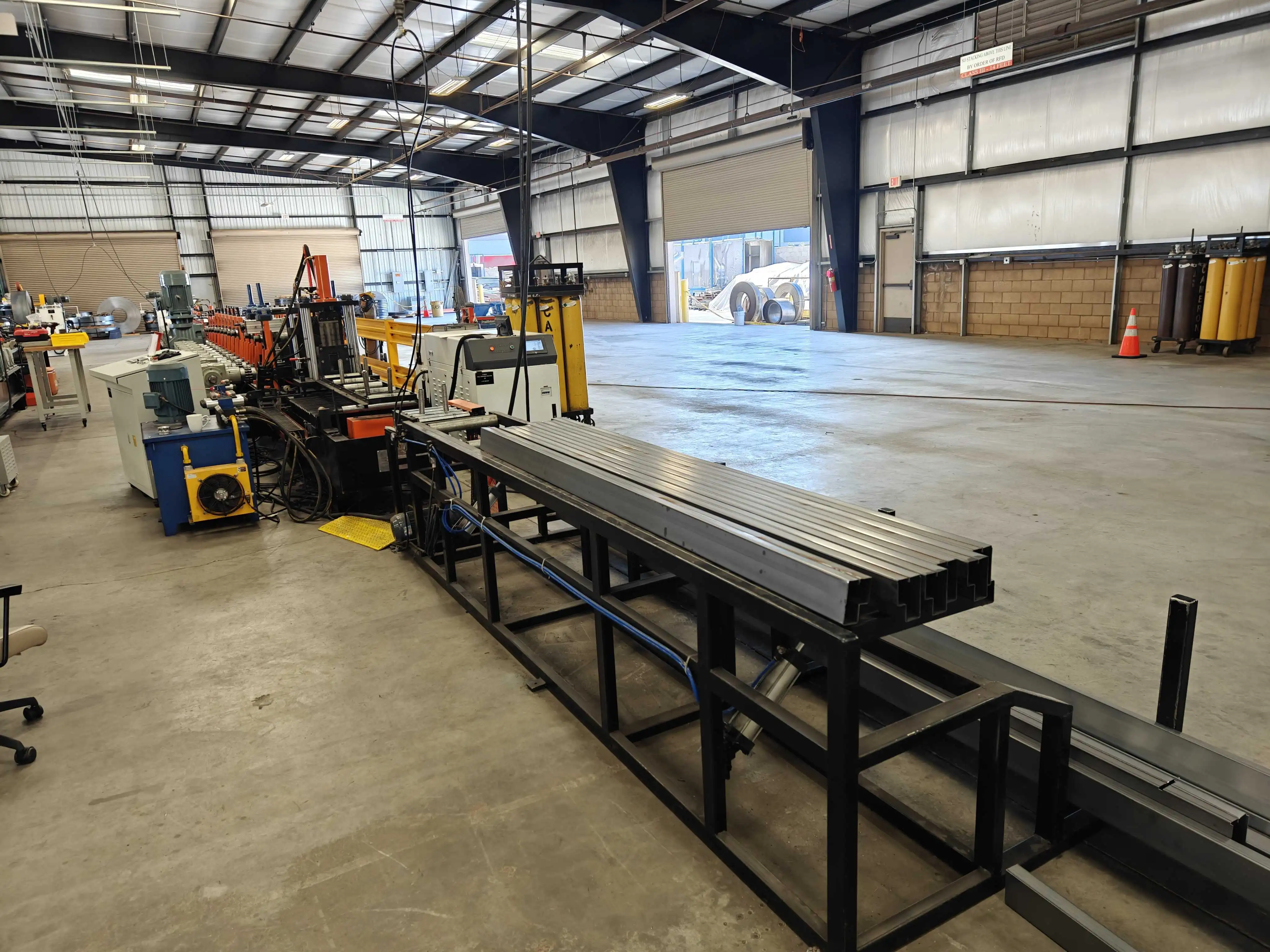
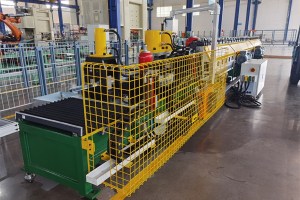
No panorama da construção moderna, o Máquina de calhas pluviais evoluiu de uma ferramenta básica de utilidade pública para um ativo de fabricação de alta precisão. À medida que a volatilidade climática aumenta a demanda por sistemas robustos de gestão de água, a capacidade de produzir calhas contínuas e de alta capacidade torna-se um importante fator de receita na indústria. A eficiência de um Máquina de calhas pluviais Determina não apenas a qualidade do sistema de drenagem final, mas também a produtividade geral de uma fábrica de telhas.
Na Beli RollForming, consideramos que Máquina de calhas pluviais como uma extensão crítica do processo de fabricação do envelope do edifício. Para atingir a máxima eficiência, essas máquinas devem ser integradas com sistemas de alto desempenho. Máquina Desbobinadora sistemas para garantir uma alimentação de material suave. Além disso, a produção de calhas geralmente complementa a produção de Perfis de máquinas para painéis de telhado metálico, criando uma solução abrangente para empreiteiros. Este guia detalha 7 estratégias essenciais para otimizar sua linha de produção de calhas.
1. Selecionando o perfil ideal da máquina de calhas
O primeiro passo para alcançar o sucesso na produção é selecionar o perfil que corresponda à demanda do seu mercado. Máquina de calhas pluviais Pode ser configurado para diversas geometrias distintas, cada uma atendendo a diferentes necessidades arquitetônicas e funcionais.
Calhas estilo K: O perfil residencial mais comum, que imita molduras decorativas de teto.
Calhas semicirculares: Frequentemente utilizadas em restaurações históricas ou em projetos modernos de alta qualidade devido às suas características de fluxo superiores.
Calhas de caixa: Essencial para edifícios industriais e comerciais de grande porte onde é necessário desviar um volume enorme de água.
Escolher uma máquina com a flexibilidade necessária para trabalhar com alumínio, cobre ou aço de diversas espessuras é fundamental para diversificar sua base de clientes e maximizar a utilidade do seu equipamento. Máquina de calhas pluviais.
2. Otimizando a alimentação de material com uma máquina desbobinadora de precisão
UM Máquina de calhas pluviais A velocidade de produção de calhas depende da disponibilidade de matéria-prima. A produção em alta velocidade exige um fluxo constante de bobinas de metal com tensão controlada. A integração de um sistema de alimentação de energia Máquina Desbobinadora É essencial para evitar a flambagem ou "oscilação" do material durante o processo de conformação.
Para operações móveis de produção de calhas (produção no local), os desenroladores manuais leves são preferíveis. No entanto, para a fabricação em larga escala em fábricas, um desenrolador hidráulico garante a eficiência. Máquina de calhas pluviais Opera em sua velocidade nominal máxima sem interrupção, reduzindo o tempo de inatividade durante a troca de bobinas.
3. Implementação de Sistemas Avançados de Cisalhamento Hidráulico
O corte preciso é uma característica marcante de um produto de alta qualidade. Máquina de calhas pluviais. As tesouras mecânicas tradicionais costumam deixar rebarbas ou deformar a extremidade do perfil, causando vazamentos nas juntas.
A atualização para um sistema de cisalhamento hidráulico "pós-corte" garante que o Máquina de calhas pluviais Produz um acabamento limpo e sem rebarbas sempre. Este sistema corta o perfil depois de este estar totalmente formado, mantendo a integridade estrutural da secção transversal da calha. Cortes limpos são essenciais para a integração perfeita das tampas de extremidade e das juntas de esquadria.
4. Gestão de Ferramentas de Conformação de Perfis de Precisão
A durabilidade e a precisão de um Máquina de calhas pluviais dependem inteiramente de seus componentes internos. Os rolos devem ser fabricados em aço ferramenta de alta qualidade e submetidos a tratamento térmico para resistir ao desgaste por atrito contínuo.
Conforme discutido em nosso guia sobre ferramentas de conformação de rolos, aplicando revestimentos de cromagem ou PVD aos rolos do seu Máquina de calhas pluviais Evita danos em superfícies de alumínio ou cobre pintadas. Isso garante que a qualidade estética da calha permaneça impecável durante todo o ciclo de fabricação.
5. Integração de Sistemas de Controle PLC Inteligentes
A produção moderna de alta velocidade exige precisão digital. Máquina de calhas pluviais Equipado com um sistema de controle PLC Siemens ou Delta, permite que os operadores insiram comprimentos e quantidades específicas com precisão milimétrica.
Esses sistemas inteligentes podem armazenar múltiplos programas de produção, permitindo transições rápidas entre diferentes especificações de trabalho. Esse nível de automação reduz erros humanos, minimiza o desperdício de material e garante que cada peça produzida pela empresa atinja a qualidade desejada. Máquina de calhas pluviais é idêntico em comprimento e qualidade.
6. Garantir a retidão consistente do perfil (anti-curvatura)
Um dos desafios mais comuns na fabricação de calhas é a curvatura do perfil final. Um produto de alto desempenho Máquina de calhas pluviais Deve incluir um mecanismo robusto de endireitamento ou anti-curvatura no ponto de saída.
Este mecanismo permite ao operador ajustar o alinhamento vertical e horizontal do perfil à medida que este sai da máquina. Sem esses ajustes, a instalação de calhas longas torna-se difícil e o escoamento pode ser comprometido. A calibração adequada é uma etapa fundamental no processo. 7 etapas do processo de conformação por rolos.
7. Manutenção Estratégica para Operação Contínua
Para manter o sucesso em alta velocidade, seu Máquina de calhas pluviais Requer um protocolo de manutenção específico. Isso inclui a lubrificação regular dos rolos de conformação e das lâminas de corte hidráulicas.
Poeira e partículas metálicas podem se acumular dentro da estrutura da máquina, podendo arranhar a superfície do material ou obstruir o sistema de acionamento. Uma estrutura limpa e bem conservada Máquina de calhas pluviais Além de produzir produtos de maior qualidade, também terá uma vida útil operacional significativamente mais longa, protegendo seu investimento de capital. Para obter mais informações sobre normas do setor relativas à manutenção de máquinas, os fabricantes devem consultar o seguinte: Associação Europeia de Conformação por Perfuração (FEI).