


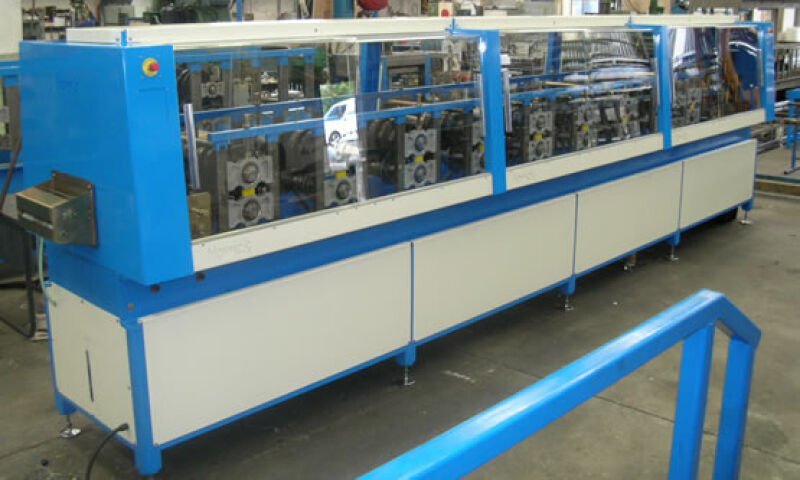
Roll former machines are the backbone of modern industrial manufacturing, playing a crucial role in shaping metal sheets into precise profiles with unmatched speed. From massive construction projects to intricate automotive parts, these systems are widely used for their efficiency and versatility. But what exactly makes a roll former machine so vital, and how does it transform raw coils into finished goods?
At Beli RollForming, we specialize in engineering advanced roll forming machines that help businesses worldwide achieve superior production standards. In this comprehensive guide, we’ll dive into the details of this technology, its diverse applications, and the massive benefits it offers your bottom line.
What is a Roll Former Machine?
A roll former machine is a specialized piece of industrial equipment engineered to continuously shape metal sheets or coils into specific cross-sectional profiles. The process, known as roll forming, involves passing the metal through a series of precision-engineered rollers. Each set of rollers gradually bends the material until it reaches the desired final shape.
This method is highly efficient for producing long lengths of metal with consistent dimensions, making roll forming machines the preferred choice over traditional press braking for high-volume orders.


How Does a Roll Former Machine Work?
The operation of a modern roll former machine is a masterpiece of synchronized engineering. To maintain a high internal link chain of quality, the process typically involves these five steps:
-
Uncoiling: A heavy metal coil is loaded onto a decoiler and fed into the machine.
-
Leveling: The metal is flattened to remove coil set and ensure total uniformity.
-
Roll Forming: The material passes through multiple “stands” or sets of rollers. Each station incrementally shapes the metal.
-
Cutting: An integrated hydraulic or flying shear cuts the formed metal to the exact required length.
-
Stacking: Finished products are collected and packaged for shipment.

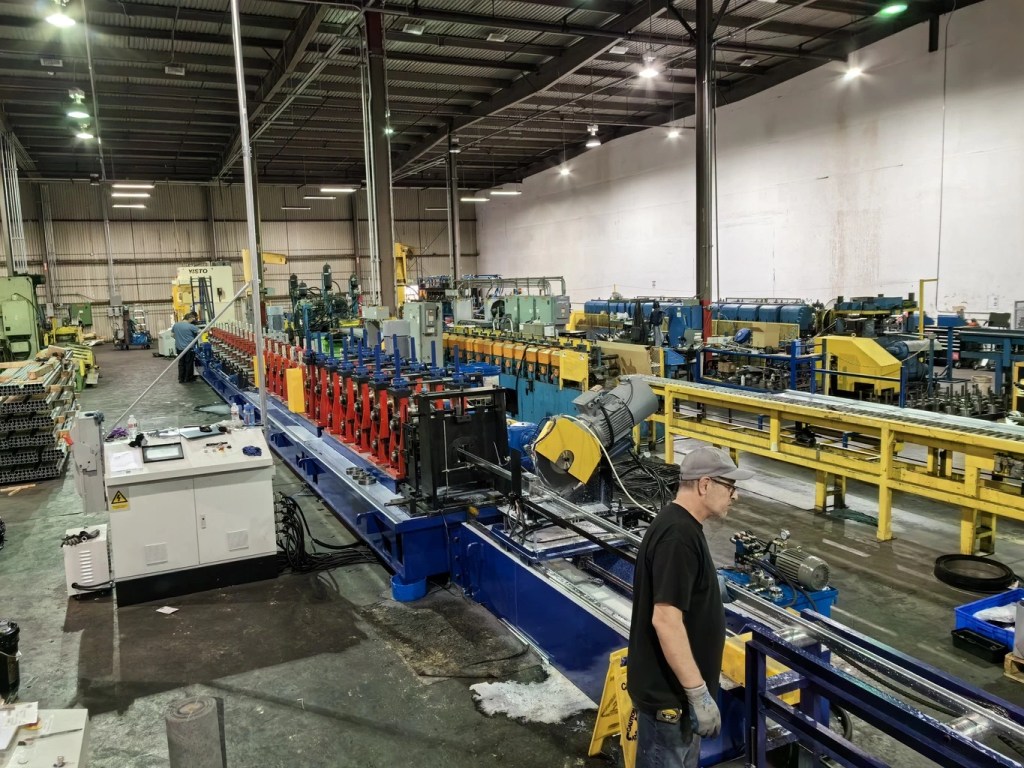
Widespread Applications of Roll Forming Machines
Because roll former machines are so adaptable, they are utilized across various global industries to create a wide range of essential products:
-
Construction: Roofing panels, wall cladding, C/Z purlins, and steel framing.
-
Automotive: Chassis components, bumpers, door beams, and decorative trim.
-
Appliances: Durable metal casings for refrigerators, washing machines, and ovens.
-
Infrastructure: Highway guardrails, bridge components, and solar panel frames.
-
Logistics: High-strength shelving, warehouse racks, and metal bed frames.
7 Benefits of Investing in Roll Forming Technology
Why should your factory choose a roll former machine over other fabrication methods? The advantages are clear:
-
High Efficiency: It is a continuous process, making it perfect for massive production scales.
-
Extreme Precision: Delivers consistent, accurate profiles with incredibly tight tolerances.
-
Material Savings: The process minimizes scrap waste by using metal coils efficiently.
-
Versatility: These machines handle various metals, including galvanized steel, aluminum, and copper.
-
Reduced Labor Costs: Automation reduces the need for manual intervention.
-
Complex Shaping: Can produce intricate designs that are impossible with other methods.
-
Superior Surface Finish: Rollers provide a smooth finish without damaging the material coating.
Choosing the Right Roll Former Machine for Your Business
When selecting your next roll former machine, it is important to partner with a trusted manufacturer like Beli RollForming. Consider these factors to ensure you get the best ROI:
-
Material Compatibility: Ensure the rollers are designed for your specific metal thickness and type.
-
Profile Complexity: More intricate designs require more “stands” (roller sets) to avoid material stress.
-
Production Volume: Choose between standard speeds or high-speed “flying cut” models.
-
Automation Level: Consider adding PLC touchscreens for easier operation and faster changeovers.
Conclusion
Roll former machines are indispensable in modern metal fabrication, offering unmatched efficiency, precision, and versatility. Whether you are producing construction materials or automotive parts, upgrading to high-quality roll forming machines will optimize your production and ensure you deliver world-class products to your clients.
Ready to boost your production? Explore the full range of high-performance roll former machines at Beli RollForming. As a leading exporter in China, we provide customized solutions tailored to your specific needs.
Contact us today for a free quote and technical consultation!


