What is a Roll Former Machine? A Complete Guide to Roll Forming Technology

Roll former machines are the backbone of modern industrial manufacturing, playing a crucial role in shaping metal sheets into precise profiles with unmatched speed. From massive construction projects to intricate automotive parts, these systems are widely used for their efficiency and versatility. But what exactly makes a roll former machine so vital, and how does it transform raw coils into finished goods?

At Beli RollForming, we specialize in engineering advanced roll forming machines that help businesses worldwide achieve superior production standards. In this comprehensive guide, we’ll dive into the details of this technology, its diverse applications, and the massive benefits it offers your bottom line.

What is a Roll Former Machine?

A roll former machine is a specialized piece of industrial equipment engineered to continuously shape metal sheets or coils into specific cross-sectional profiles. The process, known as roll forming, involves passing the metal through a series of precision-engineered rollers. Each set of rollers gradually bends the material until it reaches the desired final shape.

This method is highly efficient for producing long lengths of metal with consistent dimensions, making roll forming machines the preferred choice over traditional press braking for high-volume orders.

roll forming machine process

How Does a Roll Former Machine Work?

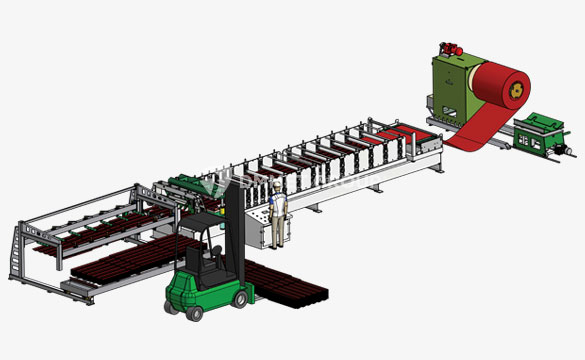
The operation of a modern roll former machine is a masterpiece of synchronized engineering. To maintain a high internal link chain of quality, the process typically involves these five steps:

  1. Uncoiling: A heavy metal coil is loaded onto a decoiler and fed into the machine.

  2. Leveling: The metal is flattened to remove coil set and ensure total uniformity.

  3. Roll Forming: The material passes through multiple “stands” or sets of rollers. Each station incrementally shapes the metal.

  4. Cutting: An integrated hydraulic or flying shear cuts the formed metal to the exact required length.

  5. Stacking: Finished products are collected and packaged for shipment.

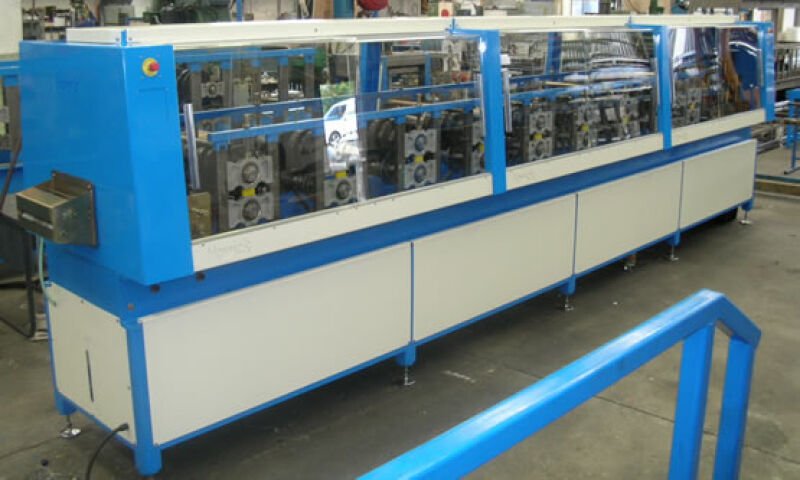
Industrial high-speed roll former machines manufactured by Beli RollForming China installed in US

Widespread Applications of Roll Forming Machines

Because roll former machines are so adaptable, they are utilized across various global industries to create a wide range of essential products:

  • Construction: Roofing panels, wall cladding, C/Z purlins, and steel framing.

  • Automotive: Chassis components, bumpers, door beams, and decorative trim.

  • Appliances: Durable metal casings for refrigerators, washing machines, and ovens.

  • Infrastructure: Highway guardrails, bridge components, and solar panel frames.

  • Logistics: High-strength shelving, warehouse racks, and metal bed frames.

🔩 What Are the Core Components of Roll Former Machines?

You must understand the individual hardware parts, for they all work closely together. A full production line relies on several key operational stages. Therefore, each section plays a vital role in final quality.

You can explore a Comprehensive Analysis of Roll Forming Machine to see the full scope of equipment. But we will cover the basics below.

🏭 What Is the Uncoiler?

The uncoiler holds the heavy raw metal coil securely. Specifically, it feeds the metal strip smoothly into the main system. And it maintains the correct physical tension to prevent tangles.

⚙️ Why Are Roller Dies Important?

The roller dies are the true heart of the automated system. They physically press the moving metal into its final shape. But they must be machined to absolute perfection. Otherwise, the final product will fail instantly.

✂️ How Does the Shearing Unit Work?

Once the metal is fully shaped, it must be accurately cut. The shearing unit slices the profile precisely on the fly. So, the machine never has to stop moving. And this ensures maximum daily output.

🏢 How Do Advanced Roll Former Machines Save Space?

Factory floor space is very expensive to maintain. Yet, some industrial equipment is incredibly huge. Thankfully, innovative mechanical engineers have designed clever compact solutions.

Specifically, a double layer roll forming machine combines two different profiles into one single steel frame. Consequently, you save fifty percent of your valuable floor space. And you still get maximum production output.

🌍 How Do Roll Former Machines Benefit the Environment?

Sustainability is highly important in modern manufacturing today. So, factories must urgently reduce their overall carbon footprint. Specifically, Roll Former Machines consume far less power than traditional thermal heating methods.

For they use cold-forming technology to bend the metal at room temperature safely. Consequently, no giant gas furnaces are needed. And this saves massive amounts of daily electricity. Moreover, the lack of scrap material means less waste ends up in local landfills.

⚡ Why Is Energy Efficiency Crucial?

High energy bills easily destroy your profit margins. But efficient equipment heavily protects your financial bottom line. Specifically, modern electrical motors use smart variable frequency drives.

So, they only draw power when absolutely necessary for bending. And they ramp up smoothly without dangerous electrical spikes. Consequently, your factory stays green, yet it remains highly productive all year round.

7 Benefits of Investing in Roll Forming Technology

Why should your factory choose a roll former machine over other fabrication methods? The advantages are clear:

  • High Efficiency: It is a continuous process, making it perfect for massive production scales.

  • Extreme Precision: Delivers consistent, accurate profiles with incredibly tight tolerances.

  • Material Savings: The process minimizes scrap waste by using metal coils efficiently.

  • Versatility: These machines handle various metals, including galvanized steel, aluminum, and copper.

  • Reduced Labor Costs: Automation reduces the need for manual intervention.

  • Complex Shaping: Can produce intricate designs that are impossible with other methods.

  • Superior Surface Finish: Rollers provide a smooth finish without damaging the material coating.

💻 Try Our Interactive Roll Former Machines ROI Estimator

Are you wondering how much money you can make? Use our dynamic estimator below. Specifically, just enter your production speed and profit margin. So, you can see your hourly gains immediately.

Roll Forming ROI Estimator

Calculate your profit using Roll Former Machines.


Estimated Hourly Profit: $1500.00

📊 How Do Roll Former Machines Compare to Press Braking?

It is critical to compare your options, so you can make a smart business choice. Specifically, press braking is a common alternative for bending metal. But how does it truly stack up? Below is a detailed data breakdown.

FeatureRoll Former MachinesPress Braking
SpeedExtremely high (continuous process)Low (manual batch process)
CostHigh initial setup, low per-part costLow initial setup, high per-part cost
ToleranceVery precise (±0.015 inches)Varies greatly by operator skill
Material ThicknessExcellent for thin to medium gaugesBetter for very thick metal plates
Setup TimeLonger initial tool calibrationFast manual setup and changeover

📚 What Does Authoritative Research Say?

Industry experts agree that this automation technology is completely superior. Specifically, a study published by the Journal of Manufacturing Science and Engineering highlights these distinct benefits. They found that continuous metal bending reduces energy consumption by over thirty percent.

Moreover, research from top-tier .edu mechanical engineering programs confirms a crucial structural fact. They prove that Roll Former Machines deliver the highest structural integrity. Consequently, the metal retains its extreme strength because the cold-forming process actively hardens the edges.

📦 How Do Roll Former Machines Handle Packaging?

After the metal is cut, it must be safely bundled. And manual human stacking is very slow. But automated stackers connect directly to the end of the line seamlessly.

Specifically, robotic arms gather the finished metal parts quickly. So, they create neat, organized wooden pallets ready for shipping. Moreover, this prevents scratching or accidental damage to the fresh metal surfaces. Consequently, your demanding customers receive perfect products every single time.

🛠️ How Do You Maintain Roll Former Machines?

Proper care is absolutely crucial for equipment longevity. So, you must establish a very strict maintenance routine. Specifically, daily visual inspections prevent minor issues from becoming major mechanical disasters.

  • Clean the steel rollers thoroughly every single shift.

  • Lubricate the heavy drive chains and internal gears.

  • Inspect the delicate electrical sensors for hidden dust.

  • Check the main hydraulic fluid pressure regularly.

But do not ever ignore odd grinding noises during operation. For they often indicate a severe hidden mechanical problem. Consequently, early issue detection saves thousands of dollars in sudden repairs.

Choosing the Right Roll Former Machine for Your Business

When selecting your next roll former machine, it is important to partner with a trusted manufacturer like Beli RollForming. Consider these factors to ensure you get the best ROI:

  • Material Compatibility: Ensure the rollers are designed for your specific metal thickness and type.

  • Profile Complexity: More intricate designs require more “stands” (roller sets) to avoid material stress.

  • Production Volume: Choose between standard speeds or high-speed “flying cut” models.

  • Automation Level: Consider adding PLC touchscreens for easier operation and faster changeovers.

Conclusion

Roll former machines are indispensable in modern metal fabrication, offering unmatched efficiency, precision, and versatility. Whether you are producing construction materials or automotive parts, upgrading to high-quality roll forming machines will optimize your production and ensure you deliver world-class products to your clients.

Ready to boost your production? Explore the full range of high-performance roll former machines at Beli RollForming. As a leading exporter in China, we provide customized solutions tailored to your specific needs.

Contact us today for a free quote and technical consultation!

❓ Frequently Asked Questions

❓ What materials can Roll Former Machines process?

Roll Former Machines can easily process strong steel, aluminum, copper, and soft brass. Specifically, they handle a very wide range of commercial metals easily. But you must ensure the rollers are calibrated for the specific metal. So, the machine runs perfectly without jamming.

❓ How fast are Roll Former Machines?

Roll Former Machines typically run safely between fifty and one hundred fifty feet per minute. Consequently, they are incredibly fast for daily mass production. Moreover, advanced servo models can push speeds even higher. And this massive output lowers your strict cost per part.

❓ Why are Roll Former Machines better than press brakes?

Roll Former Machines are far better because they operate continuously instead of bending one part at a time. Therefore, they deliver vastly higher daily production volumes. Yet, they require fewer manual machine operators. So, your regular labor expenses drop dramatically.

❓ What is the average lifespan of Roll Former Machines?

Roll Former Machines usually last for twenty to thirty years with proper daily care. Specifically, the heavy-duty welded steel frames resist daily wear and tear over decades. But you must perform regular preventative maintenance to keep them running smoothly. And you should constantly lubricate the main moving parts frequently.

❓ How much do Roll Former Machines cost?

Roll Former Machines range widely from thirty thousand to well over two hundred thousand dollars. Consequently, the final price depends heavily on the complexity and speed of the entire system. Moreover, custom engineered tooling adds slightly to the initial capital investment. Yet, the high daily ROI pays off the machine very quickly.

❓ Can Roll Former Machines punch holes during operation?

Yes, Roll Former Machines can absolutely punch exact holes while the metal continuously moves. Specifically, inline hydraulic punching stations are actively added before or after the main rollers. And they stamp exact technical holes without ever stopping the line. So, you get a fully finished metal product instantly.

❓ What maintenance do Roll Former Machines require?

Roll Former Machines require strict daily cleaning and frequent heavy lubrication of the main roller bearings. Moreover, you must carefully inspect the steel shearing blades for unexpected dullness. And you should critically check the internal hydraulic fluid levels weekly. Consequently, a strict daily maintenance schedule actively prevents costly factory breakdowns.

Changelog: Updated April 7, 2026 – Added new technical specs and interactive ROI tool. Next Scheduled Review: October 7, 2026

Leave a Reply

Table of Contents

Discover more from Believe Industry Company| Roll Forming Machine Manufacturer, Supplier & Exporter

Subscribe now to keep reading and get access to the full archive.

Continue reading