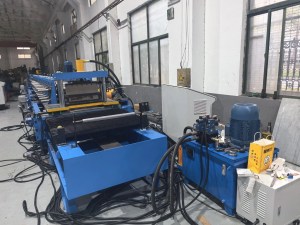
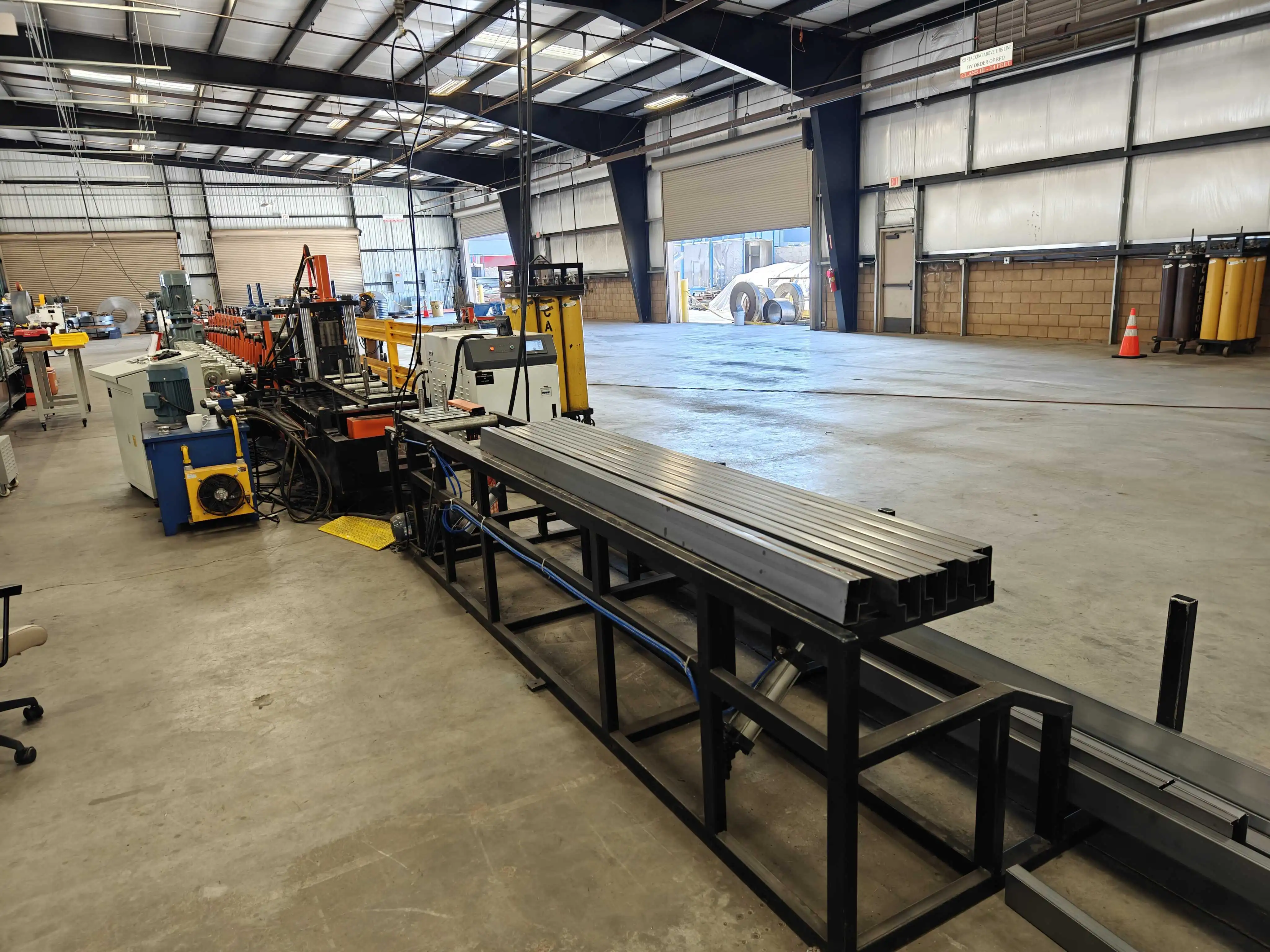
Buy roll forming machine involve careful consideration of several factors to ensure it meets your production needs, budget, and long-term goals. Here’s a step-by-step guide to help you make the right decision:


1. To buy roll forming machine must define Your Requirements

  • Malzeme Türü: Determine the type of material you will be working with (e.g., steel, aluminum, copper, etc.) and its thickness.
  • Product Specifications: Identify the dimensions, shape, and complexity of the profiles you need to produce.
  • Üretim Hacmi: Estimate your daily, weekly, or monthly production requirements.
  • Tolerance and Precision: Consider the level of precision and finish required for your products.

2. Understand the Types of Roll Forming Machines

  • Single-Stand Machines: Suitable for simple profiles and low-volume production.
  • Multi-Stand Machines: Ideal for complex profiles and high-volume production.
  • Custom vs. Standard Machines: Decide if you need a custom-built machine or if a standard model will suffice.

3. Key Features to Consider

  • Number of Roll Stations: More stations allow for more complex profiles.
  • Material Thickness Capacity: Ensure the machine can handle the thickness of your material.
  • Hız: Check the machine’s forming speed (measured in meters or feet per minute).
  • Automation Level: Consider if you need manual, semi-automatic, or fully automatic machines.
  • Tooling Compatibility: Ensure the machine supports easy tooling changes if you plan to produce multiple profiles.
  • Control System: Look for user-friendly controls, such as PLC (Programmable Logic Controller) or CNC systems.

4. Evaluate Quality and Durability

  • Build Quality: Check the materials used in the machine’s construction (e.g., high-grade steel).
  • Brand Reputation: Research manufacturers with a good track record and positive customer reviews.
  • Warranty and Support: Ensure the manufacturer offers a warranty and reliable after-sales service.

5. Budget Considerations is most importance to buy roll forming machine

  • Initial Cost: Compare prices from different suppliers, but don’t compromise on quality.
  • Operating Costs: Factor in energy consumption, maintenance, and tooling costs.
  • ROI (Return on Investment): Calculate how long it will take for the machine to pay for itself based on your production output.

6. Supplier Selection

  • Experience: Choose a supplier with experience in your industry.
  • Customization: Check if they can customize the machine to your specific needs.
  • References: Ask for customer references or case studies.
  • Delivery and Installation: Confirm delivery timelines and installation support.

7. Test and Inspection

  • Factory Testing: Request a factory acceptance test (FAT) to ensure the machine meets your specifications.
  • On-Site Testing: If possible, test the machine with your materials before finalizing the purchase.

8. Training and Documentation

  • Operatör Eğitimi: Ensure the supplier provides adequate training for your operators.
  • Technical Documentation: Check if the machine comes with detailed manuals and maintenance guides.

9. Future-Proofing

  • Scalability: Consider whether the machine can handle future increases in production or new product lines.
  • Upgrades: Check if the machine can be upgraded with additional features or automation.

10. Finalize the buy roll forming machine

  • Negotiate Terms: Discuss payment terms, delivery schedules, and warranties.
  • Contract: Ensure all specifications, terms, and conditions are clearly outlined in the contract.

11. Material Considerations

  • Material Width and Thickness: Ensure the machine can handle the maximum and minimum width and thickness of your material.
  • Material Coil Size: Check if the machine can accommodate the coil size you plan to use.
  • Surface Finish: If your material has a pre-coated or painted surface, ensure the machine won’t damage it during the forming process.

12. Machine Flexibility

  • Quick Changeover: If you plan to produce multiple profiles, look for machines with quick-change tooling systems to minimize downtime.
  • Multi-Profile Capability: Some machines can produce multiple profiles with minimal adjustments, which is ideal for businesses with diverse product lines.

13. Automation and Integration

  • Feeding Systems: Consider automated coil feeding systems for higher efficiency.
  • Cutting Systems: Integrated cutting systems (e.g., flying cutoffs) can improve precision and speed.
  • Stacking and Packaging: Automated stacking and packaging systems can streamline the end of the production line.

14. Energy Efficiency

  • Motor Efficiency: Look for machines with energy-efficient motors to reduce operating costs.
  • Hydraulic vs. Electric: Electric systems are often more energy-efficient and require less maintenance than hydraulic systems.

15. Safety Features

  • Guarding and Sensors: Ensure the machine has adequate safety guards and sensors to protect operators.
  • Emergency Stop: Check for easily accessible emergency stop buttons.
  • Compliance: Verify that the machine complies with relevant safety standards (e.g., OSHA, CE).

16. Maintenance and Serviceability

  • Ease of Maintenance: Look for machines designed for easy access to critical components for maintenance.
  • Spare Parts Availability: Ensure the supplier has a good inventory of spare parts and can deliver them quickly.
  • Service Network: Check if the supplier has a local service network for timely support.

17. Software and Controls

  • User Interface: Look for intuitive and user-friendly control interfaces.
  • Data Collection: Some machines offer data collection and reporting features for better production monitoring.
  • Remote Monitoring: Advanced machines may offer remote monitoring and diagnostics.

18. Environmental Considerations

  • Noise Levels: Consider the noise levels of the machine, especially if it will be operating in a shared workspace.
  • Dust and Debris: Ensure the machine has systems to manage dust and debris, particularly if you’re working with materials that generate particulates.

19. Customization Options

  • Tailored Solutions: Some suppliers offer bespoke solutions tailored to your specific needs.
  • Modular Design: Machines with a modular design can be easily upgraded or reconfigured as your needs change.

20. Financing and Leasing Options

  • Leasing: If upfront costs are a concern, consider leasing options to spread out payments.
  • Financing: Some suppliers offer financing plans to make the purchase more manageable.

21. Industry-Specific Considerations

  • Construction Industry: If you’re producing building components, look for machines that can handle heavy-gauge materials.
  • Automotive Industry: For automotive parts, precision and high-speed production may be critical.
  • Appliance Industry: Consider machines that can handle a variety of materials and profiles for different appliance components.

22. Supplier Evaluation Checklist

  • Experience: How long has the supplier been in business?
  • Portfolio: Do they have experience with similar projects?
  • Customer Support: What level of support do they offer (e.g., 24/7, on-site)?
  • Lead Time: What is the lead time for delivery and installation?
  • References: Can they provide references from satisfied customers?

23. Negotiation Tips

  • Bulk Discounts: If you’re purchasing multiple machines, ask for a bulk discount.
  • Extended Warranty: Negotiate for an extended warranty period.
  • Eğitim: Ensure training for your operators is included in the purchase price.

24. Post-Purchase Considerations

  • Operatör Eğitimi: Ensure your team is fully trained on the new machine.
  • Maintenance Schedule: Establish a regular maintenance schedule to keep the machine in optimal condition.
  • Performance Monitoring: Continuously monitor the machine’s performance to ensure it meets your production goals.

25. Common Pitfalls to Avoid

  • Overlooking Future Needs: Don’t buy a machine that only meets your current needs without considering future growth.
  • Ignoring Total Cost of Ownership: Consider not just the purchase price but also operating and maintenance costs.
  • Rushing the Decision: Take your time to evaluate all options and make an informed decision.

26. Case Studies and Testimonials

  • Case Studies: Review case studies from the supplier to see how their machines have performed in similar applications.
  • Müşteri Yorumları: Look for testimonials from other customers to gauge satisfaction levels.

27. Final Checklist Before Purchase

  • Teknik Özellikler: Ensure the machine meets all your technical specifications.
  • Budget: Confirm the total cost, including shipping, installation, and training.
  • Contract: Review the contract thoroughly before signing.
  • Delivery and Installation: Confirm delivery and installation timelines.

If you want to buy roll forming machine, don’t hesite to contact İnanç Endüstrisi now for more information. We are offering one-stop slolution of roll forming machines for different application. Temas etmek or email us now!!

Bir Cevap Yazın

İçindekiler

Believe Industry Company| Roll Forming Machine Manufacturer, Supplier & Exporter sitesinden daha fazla şey keşfedin

Okumaya devam etmek ve tüm arşive erişim kazanmak için hemen abone olun.

Okumaya Devam Edin