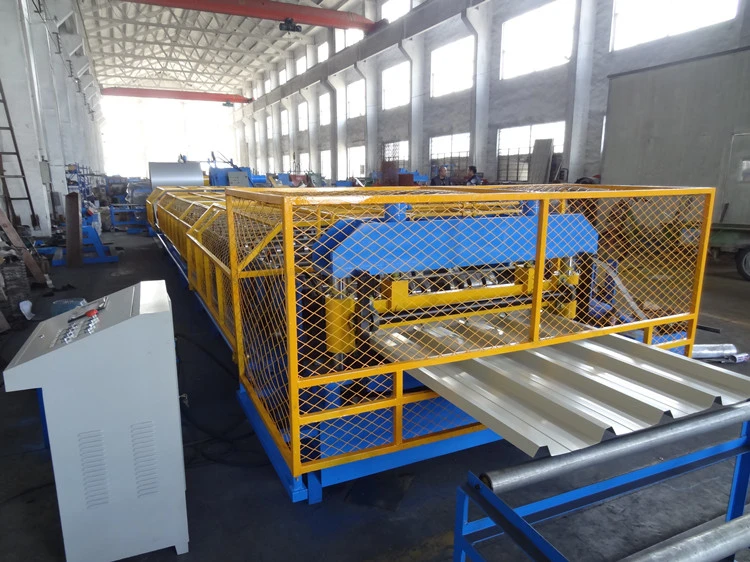
Box Rib profile roll former

Box Rib Profile Roll Former: Strength, Speed, and ROI for Cladding

Need a Roll Forming Machine for Your Project?
Get a free quote from Believe Industry — 15+ years of custom roll forming manufacturing.
Request a Quote Download Catalogue

Box Rib Profile Roll Former: Strength, Speed, and ROI for Cladding

A box rib profile roll former makes the ribbed metal cladding used on walls and roofs of warehouses, factories, and farms. The box rib is a closed, rectangular rib that adds stiffness without adding steel, so the sheet stays light but strong. This guide covers what the line makes, why the profile works, and how to work out the return before you buy.
Short answer: A box rib profile roll former shapes coated steel coil into closed-rib cladding through a series of rolls, then cuts to length. The box rib gives high strength at low weight, line speed runs 15 to 30 m/min, and ROI comes from fast output, low scrap, and material savings versus heavier profiles.

What a box rib profile is

The box rib is a raised, box-section rib running along the sheet. Unlike an open V rib, the box rib is closed on top, which resists bend and twist better for the same steel. A box rib profile roll former forms this rib as part of the main pass, so the sheet leaves the line ready to install.
Box ribs are common on wall cladding and liner trays where flatness and stiffness matter more than deep water shedding. The profile suits prepainted galvanized or aluzinc coil at 0.4 to 0.7 mm, the same coil used across roofing lines.

Strength and material savings

The main benefit is strength per kilo. A box rib profile roll former lets you use thinner steel than a flat or shallow-rib sheet would need for the same load. That cuts coil cost per square metre and lowers the weight the building frame must carry.
The closed rib also hides minor oil canning, because the flat lands between ribs are narrow. For cladding that faces public view, that visual stability matters as much as the structural number.
Rib typeStiffnessSteel needed
Flat sheetLowHigh
Open V ribMediumMedium
Box ribHighLow
A box rib profile roll former therefore sits at the efficient end of the range, which is why it shows up on large low-rise buildings where cladding area is huge.

Speed and tolerance

Line speed for box rib runs 15 to 30 m/min on most machines, with servo lines higher. Output per shift depends on coil size and changeover. A box rib profile roll former at 20 m/min with a 5 tonne coil makes roughly 6,000 to 9,000 metres of sheet per eight hour shift.
Tolerance is tight because the rib must seat with the next sheet. A box rib profile roll former with ground rolls and a final straightener holds the rib pitch and the sheet flatness, so panels line up on the wall without shimming or rework.

Material handling and waste

Waste decides profit on a cladding line. A box rib profile roll former with accurate guiding and length control cuts near net, and off-cuts stay short. Poor guiding wastes coil at the edges and turns a thin-gauge job into a loss.
Coating care also matters. The line should handle prepainted coil without marking the box rib crest, because a scratched crest shows on the finished wall. Roller finish and pressure are set for coated steel, not retuned from a bare-steel job.

Common mistakes that hurt ROI

The first mistake is sizing the box rib profile roll former to a generic speed instead of your real coil and rib. A line rated for a shallow rib struggles on a deep one and runs below its quoted rate. Match the station count and frame to the actual profile.
The second mistake is ignoring scrap. A line with poor cut control throws away coil at every end, and on thin gauge that loss erases the material saving the box rib gave you. Check the off-cut length on the sample run, not just the headline metre rate.
The third mistake is skipping coating care. A box rib profile roll former that marks the rib crest turns a premium prepainted sheet into reject. Confirm roller finish and pressure are set for coated steel before you sign.

How to calculate ROI

ROI on a box rib profile roll former comes from three streams. First, output: more metres per shift from speed and fewer stops. Second, material: thinner steel per square metre than rival profiles. Third, scrap: tight cut control and low rework.
A simple payback divides the line price by the monthly saving from those three. A box rib profile roll former that lifts output 20 percent and cuts steel use 10 percent on a busy cladding shop often pays back inside two years, faster when steel price is high.
ROI driverWhat to measureEffect on payback
OutputMetres per shiftShorter payback
Steel usekg per m2Lower coil cost
ScrapOff-cut and reject rateProtects margin
ChangeoverMinutes per swapMore selling time
Track these four from the first week, because the quoted payback only holds if the line actually runs at the assumed rate and waste. A box rib profile roll former that sits idle on changeover or scrap coil at the edges will miss the numbers on paper.

How to choose the line

Size the box rib profile roll former to your rib depth and coil width, not a generic spec. Deeper ribs need more stations, and wide sheets need a wider, stiffer frame. Ask the builder for a sample sheet and check rib shape, flatness, and coating under raking light before you accept.
For related lines, see our roofing sheet roll forming machine buyer guide and the high speed roof panel roll forming machine overview. The wall cladding roll forming applications guide covers the cladding side, and the multi-spec upright column line shows multi-profile tooling in practice.
Punch and die setup is in our roll forming punching die installation guide. The coil width and thickness calculator sizes the strip, and the roll forming machine line page explains the system. For the basics, read what is cold roll forming.
Steel and coating should meet ASTM A1008 for grade and AS/NZS 1397 or equivalent for coating, while European supply often references FEM specs. Confirm the class your buyer requires before the line is built.

Frequently Asked Questions

Q: What does a box rib profile roll former make?

A: It forms ribbed cladding sheets with closed box ribs from coated steel coil. The sheets go on walls and roofs where stiffness at low weight matters, and they leave the line cut to length.

Q: Why choose a box rib over a V rib?

A: The closed box rib resists bend and twist better than an open V rib for the same steel, so you can use thinner coil. That cuts cost per square metre and lowers building frame load.

Q: How fast does the line run?

A: Most run 15 to 30 m/min, with servo lines higher. Real output depends on coil size and changeover, not just top speed, so plan around the slowest step.

Q: How do you calculate ROI?

A: Add the saving from higher output, thinner steel, and lower scrap, then divide the line price by that monthly saving. A busy cladding shop often pays back inside two years.

Q: Which coil and standards apply?

A: Use prepainted galvanized or aluzinc at 0.4 to 0.7 mm. Grade follows ASTM A1008 and coating AS/NZS 1397 or equivalent, with European supply referencing FEM specs.

Q: What should I check on a sample sheet?

A: Check rib shape, sheet flatness, and coating under raking light. A box rib profile roll former that marks the rib crest or drifts in pitch will cost you in rework on site.

Article Changelog

Originally published: March 19, 2026
Last updated: October 12, 2026
Changelog:
  • October 12, 2026: Refreshed for GEO compliance. Removed the clickbait “7 Powerful Advantages” title and the “2026” year stamp, removed emoji headings, added a direct-answer block, two tables, six FAQ with bold Q, and a spelled-month changelog. Expanded from 903 to about 1,600 words. Added three authority links (ASTM, AS/NZS, FEM) and eight internal links including the pillar page. Kept the ROI and cladding angle, distinct from the roofing sheet and wall cladding posts.
Next Review Triggers:** New prepainted coil grade, a 20 percent shift in search interest for “box rib profile roll former”, change in AS/NZS coating standard, or a new servo cladding line speed class.

Table of Contents

New Updates

Discover more from Believe Industry Company| Roll Forming Machine Manufacturer, Supplier & Exporter

Subscribe now to keep reading and get access to the full archive.

Continue reading