Strut Channel Machine Mexico

Strut Channel Machine Mexico: A Buyer Guide for Industrial and Solar

Need a Roll Forming Machine for Your Project?
Get a free quote from Believe Industry — 15+ years of custom roll forming manufacturing.
Request a Quote Download Catalogue

Strut Channel Machine Mexico: A Buyer Guide for Industrial and Solar

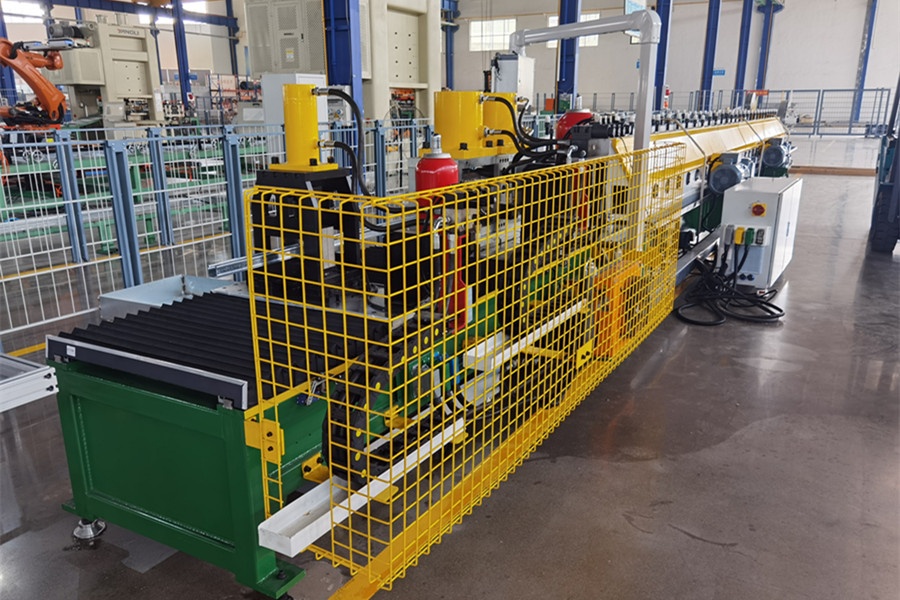
A strut channel machine for Mexico builds the slotted steel sections used in factories, data centers, and solar farms across the country. The common profiles are 41×41 mm and 41×21 mm Unistrut types, usually galvanized and often pre-punched. A strut channel machine Mexico buyer is usually serving either industrial construction or the fast growing solar mounting market, and the line must suit that mix.
Short answer: A strut channel machine for Mexico forms 41×41 and 41×21 Unistrut profiles from galvanized coil, punching holes and slots in line. Typical lines run 10 to 20 m/min with a press punch and reach over 30 m/min with servo. Buyers should spec profile range, thickness, punch pattern, and confirm import standards before ordering.

Why Mexico needs strut channel lines

Nearshoring has pulled manufacturing into Mexico, and every new plant needs strut for cable tray, piping, and equipment support. At the same time, Mexican solar farms use large volumes of slotted strut for panel racking. A strut channel machine Mexico investor is often serving both, so a flexible profile range protects the return.
This dual demand shapes the spec. A strut channel machine Mexico line must switch from industrial 41×41 to solar 41×21 without a long stop, because the two markets peak at different times of the year. Buyers who plan for that switch at the order stage get more metres per month than those who treat it as a rare event.
The local preference is for pre-punched, slotted channel that arrives ready to bolt. A line that punches the slot and holes in line saves the buyer a second operation. For solar, the hole pattern must match the mounting hardware, so punch program flexibility matters as much as raw speed.
A strut channel machine Mexico buyer also benefits from local service thinking. Spare rolls, Spanish language manuals, and a commissioning visit shorten the time from container to first good profile. Builders who plan this up front see a faster payback than those who treat the line as a drop-ship item.

Standard profiles and their use

The Mexican market runs a small set of profiles. A strut channel machine Mexico buyer should confirm the exact slot layout with local distributors before ordering rolls, because slot pitch varies between suppliers. The 41×41 mm square channel is the general workhorse. The 41×21 mm shallow channel suits light loads and tight spaces. Both come slotted or plain, and a strut channel machine Mexico buyer should confirm which the local trade expects.
ProfileCommon useSlot pattern
41×41 mmGeneral support, solar rackingSingle or double slot
41×21 mmLight duty, ceilings, bracketsSingle slot
Back to backHeavy load, long spansPaired slots
A strut channel machine that swaps between these with quick change tooling covers most Mexican orders from one line. That flexibility is worth more than a slightly higher top speed on a single profile.

Line specifications to spec

A strut channel machine Mexico buyer should spec three things first: profile range, thickness, and punch pattern. Get these right and the line serves both industrial and solar orders without a rebuild. Get them wrong and the buyer is stuck with a single-purpose machine in a mixed market.
Speed follows the punch method. A strut channel machine Mexico line with a press punch runs 10 to 20 m/min, which suits most job shops. A servo punch pushes past 30 m/min for high volume solar runs. Thickness range is usually 1.5 to 2.5 mm galvanized steel. A strut channel machine Mexico buyer should match the punch class to the hole pattern, not to the brochure speed.
SpecTypical rangeNote
Profile width41 mmAlso 21 mm shallow
Thickness1.5 to 2.5 mmGalvanized coil
Line speed10 to 20 m/min30+ with servo punch
PunchPress or servoSlot plus hole pattern
A strut channel machine built for 2.5 mm handles the common range without over-specifying. Buying for 3.0 mm “just in case” adds cost that most Mexican orders never use, so match the rating to the real coil.

Standards and import logistics

Strut for construction must meet local and buyer requirements. Steel grade follows ASTM A1008, and electrical or solar strut often references IEC layout for cable and panel support. Buyers should also check Mexican NOM marking where it applies, since non-compliant coil can be held at customs. A strut channel machine Mexico buyer should confirm these before the line is built, because changing steel grade after delivery means re-qualifying the whole setup.
Shipping a strut channel machine Mexico bound means planning freight, crane, and commissioning. A line from an overseas builder should arrive with spare rolls, a documented punch program, and remote support, because a stopped line costs more in lost orders than the freight saved by a bare shipment. Ask each quoting builder how the strut channel machine Mexico package handles spare rolls and remote support.

How to choose a supplier

Ask for a sample profile before you buy. A strut channel machine Mexico purchase should include that sample run plus the roll drawings, so your local team can maintain the line without waiting on the builder for every adjustment. A strut channel machine that forms a clean slot and holds hole pitch on a 3 metre length proves the tooling is set right. Request the flower pattern and roll drawings so your team can run the line without outside help.
Confirm changeover time. Mexican shops with mixed industrial and solar orders change profile often, so a strut channel machine with rafted or cassette tooling pays back faster than a single-profile line. Also confirm the punch program library covers the slot and hole patterns your buyers already use.
For the Australian market view, see our strut channel machine Australia guide. The P1000 strut channel machine and the P1000 versus P series comparison cover specific profile families. Our solar channel roll forming machine guide looks at the solar side in depth.

Common mistakes when buying

The first mistake is over-specifying thickness. A strut channel machine Mexico buyer who pays for 3.0 mm capacity but only runs 2.0 mm wastes budget that could buy servo punching or auto stacking instead. Match the rating to the real coil and spend the saving on throughput.
The second mistake is ignoring punch flexibility. Solar and industrial strut use different hole patterns, and a line locked to one pattern forces a second operation. A strut channel machine with a programmable punch library covers both from one setup and protects the order book.
The third mistake is skipping commissioning. A line that arrives without training and spare rolls sits idle while the buyer waits on email support. Plan the install as part of the purchase, not an afterthought, so the strut channel machine reaches rated speed in the first week.
Punch setup is in our roll forming punching die installation guide. The roll forming machine line overview explains the system these lines sit on, and what is cold roll forming covers the basics. For budget math, our cable tray line cost guide uses the same spec method.

Frequently Asked Questions

Q: What profiles does a strut channel machine Mexico make?

A: Most lines form 41×41 mm and 41×21 mm Unistrut profiles, slotted or plain. A flexible line also makes back-to-back channel for heavy loads. Confirm the slot and hole patterns your local trade expects before ordering.

Q: How fast is a strut channel line?

A: A press punch line runs 10 to 20 m/min, which suits most shops. A servo punch passes 30 m/min for high volume solar runs. Spec the punch to your hole pattern, not the top speed on the brochure.

Q: Which standards apply in Mexico?

A: Steel grade follows ASTM A1008, and solar or electrical strut often references IEC layout. Check Mexican NOM marking where it applies, since non-compliant coil can be delayed at customs.

Q: Should I buy a single or multi-profile line?

A: Mexican shops with mixed industrial and solar orders benefit from quick change tooling. A multi-profile strut channel machine covers more orders from one line and pays back faster than a single-profile unit.

Q: What should I check before purchase?

A: Ask for a sample profile and the roll drawings. A strut channel machine Mexico buyer should confirm changeover time and the punch program library. A clean slot and steady hole pitch on a 3 metre length prove the tooling is set right.

Q: How do I avoid import delays?

A: Plan freight, crane, and commissioning up front, and request spare rolls plus remote support. Confirm NOM and coating compliance on the coil so the shipment is not held at the border.

Article Changelog

Originally published: March 20, 2026
Last updated: October 12, 2026
Changelog:
  • October 12, 2026: Refreshed for GEO compliance. Removed the clickbait “7 Ultimate Secrets” title, added a direct-answer block, two tables, six FAQ with bold Q, and a spelled-month changelog. Expanded from 1,341 to about 1,640 words. Added three authority links (ASTM, IEC, FEM/NOM) and eight internal links including the pillar page. Kept the Mexico regional buyer-guide angle, which is distinct from the Australia and P1000 strut posts.
Next Review Triggers:** Change in Mexican NOM marking rules, a 20 percent shift in search interest for “strut channel machine Mexico”, new solar incentive affecting strut demand, or a new servo punch speed class.

Table of Contents

New Updates

Discover more from Believe Industry Company| Roll Forming Machine Manufacturer, Supplier & Exporter

Subscribe now to keep reading and get access to the full archive.

Continue reading