Address
No 1, Yd Road, Huishan District, Wuxi City, Jiangsu. 214183
Work Hours
Monday to Friday: 9AM - 5PM
Saturday: 9AM - 4PM
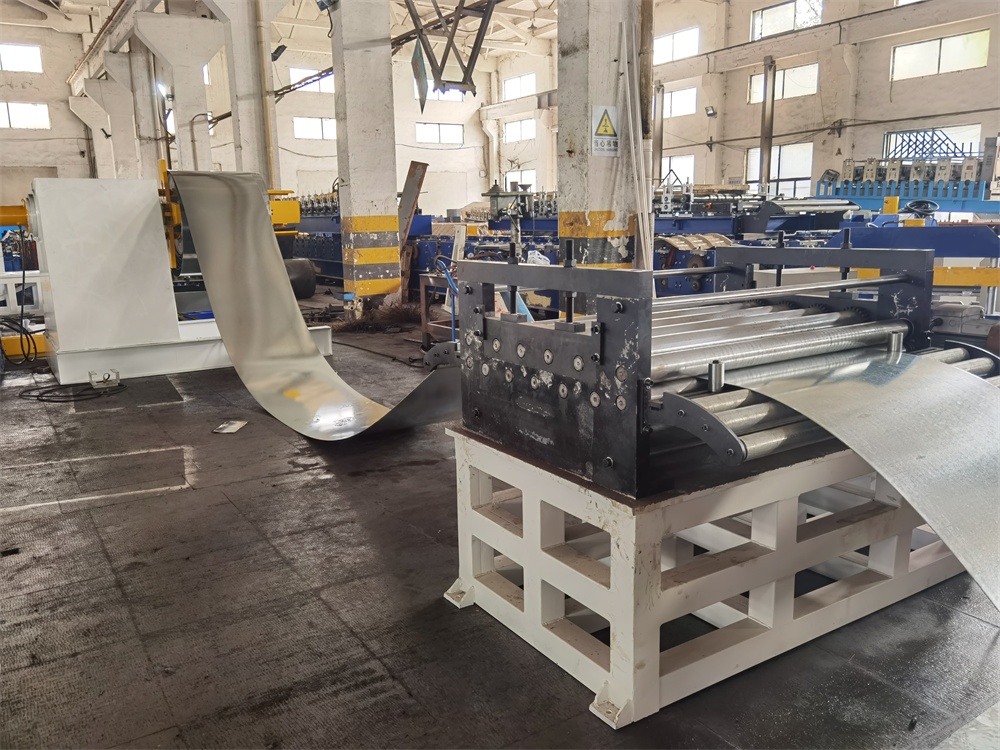
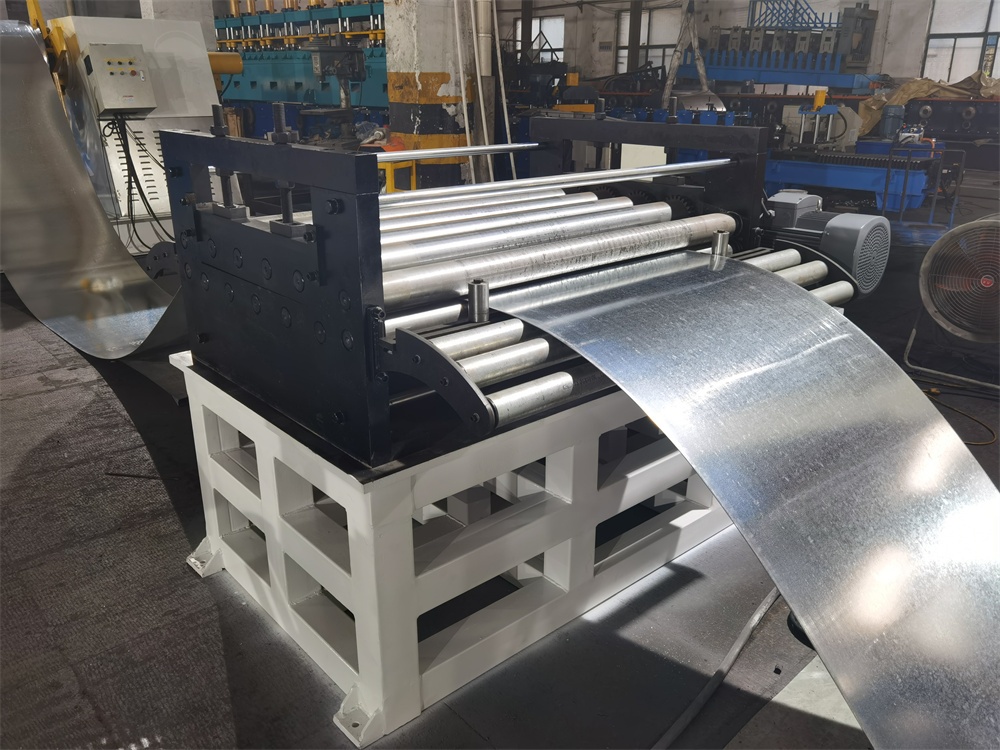
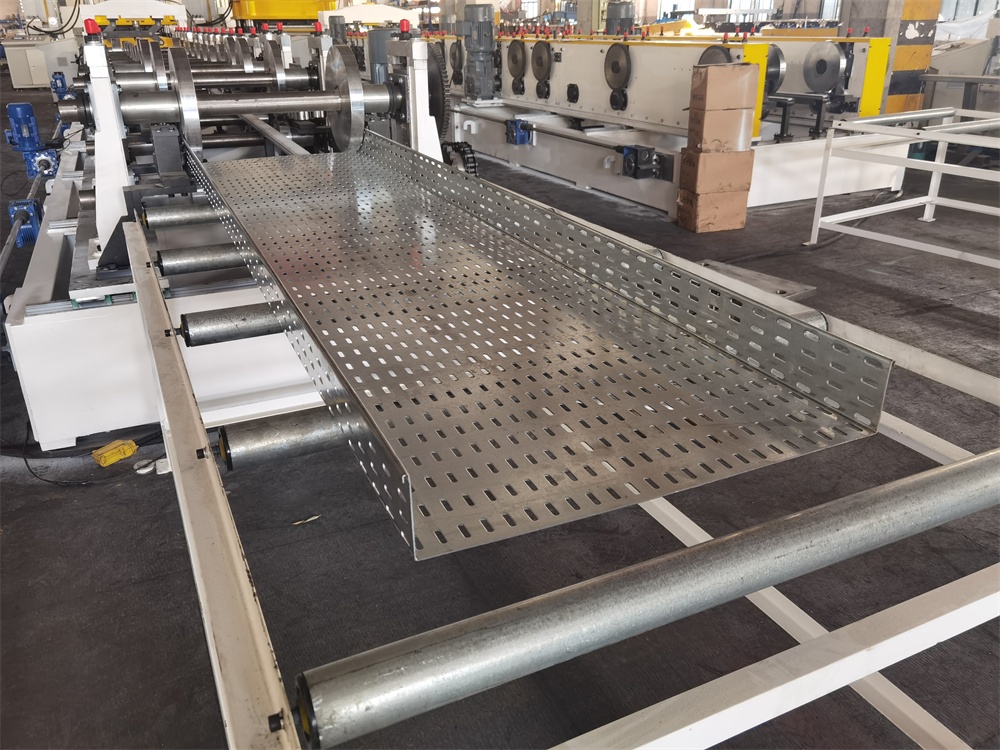
A cable tray roll former machine shapes metal strips into cable trays. These trays hold and protect electrical wires in buildings, factories, and infrastructure projects worldwide.
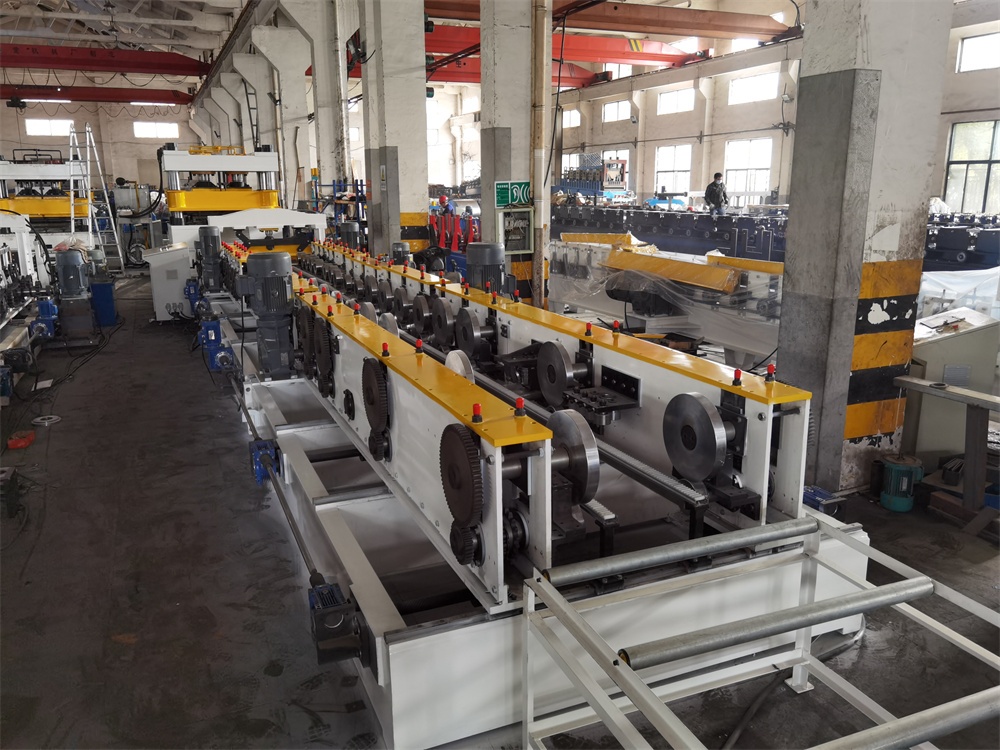
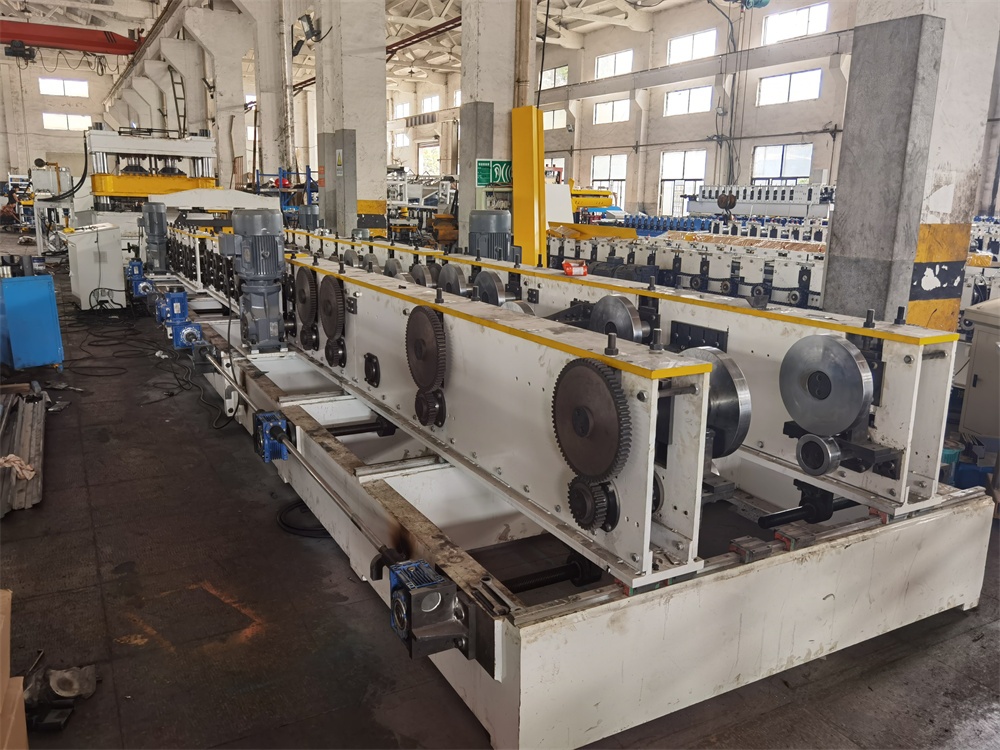
Unlike standard roll forming machines, this machine uses special tooling. It bends metal through multiple stations to create side rails, bottom flanges, and splice holes.
This guider covers: machine selection criteria, punch solution comparisons, technical specifications, cost analysis, and supplier evaluation framework for 2026 procurement decisions.
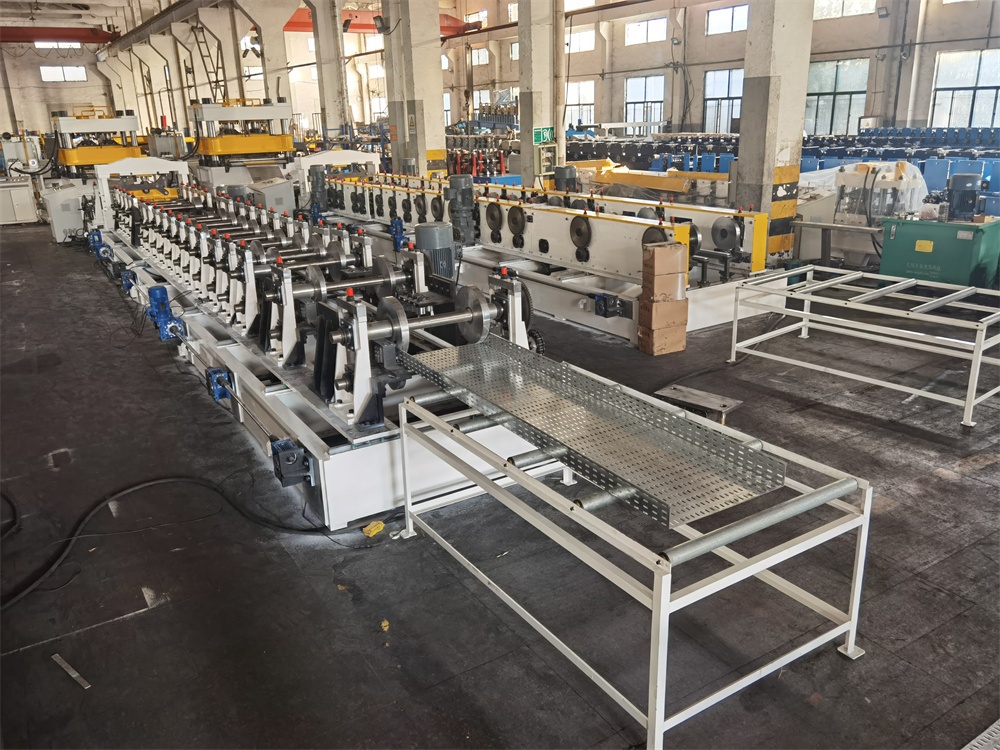
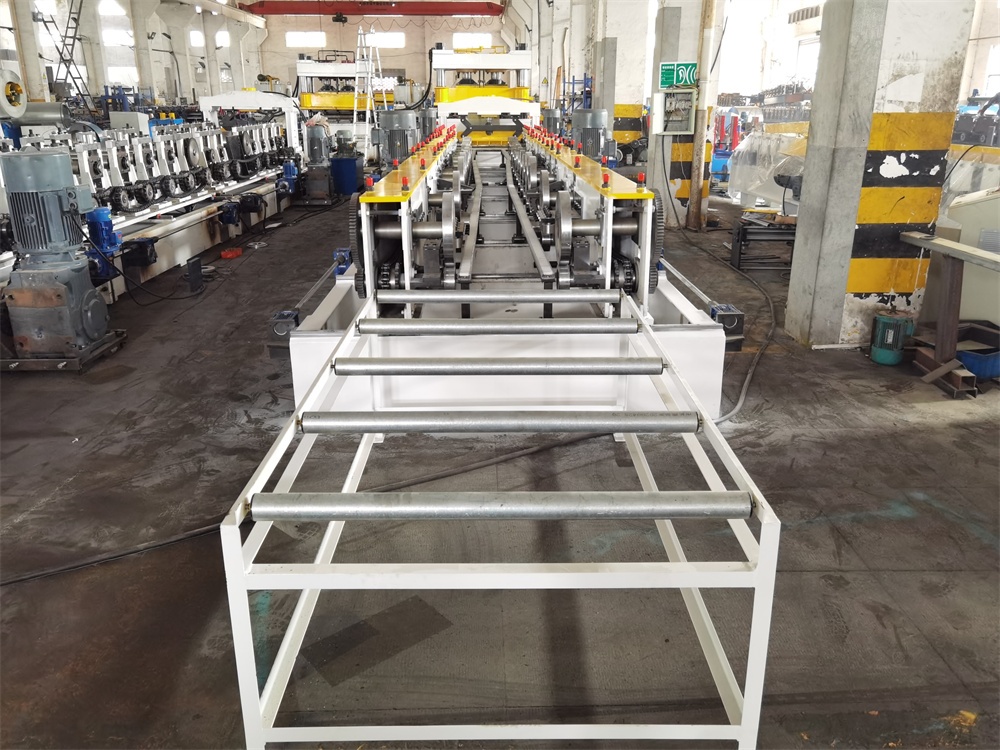
A cable tray roll former machine is a continuous metal forming system that produces cable trays from metal strips, typically in gauges ranging from 1.0mm to 3.0mm thickness. The machine uses a series of rotating rollers mounted on precision shafts to gradually bend strip material into the desired profile geometry.
The standard cable tray line configuration includes:
| Specification | Standard Range | Heavy-Duty Range |
|---|---|---|
| Material Thickness | 0.8mm – 2.0mm | 1.5mm – 3.0mm |
| Material Width | 100mm – 600mm | 150mm – 800mm |
| Forming Speed | 10-20 m/min | 5-15 m/min |
| Roller Stations | 12-16 stations | 16-24 stations |
| Power Consumption | 15-25 kW | 30-50 kW |
| Machine Weight | 5-8 tons | 10-15 tons |
The global cable management market exceeds USD 20 billion annually, with cable tray systems representing a significant share. Cable tray roll former machines enable manufacturers to produce cost-effective, standardized profiles that outperform traditional wiring methods in terms of installation efficiency, cable density management, and long-term maintenance accessibility.
Structural Efficiency: Roll formed cable trays achieve strength-to-weight ratios that reduce material costs by 15-25% compared to welded fabrication methods.
Installation Speed: Field crews report 40-60% faster installation times when using standardized roll formed trays with pre-punched mounting holes.
Design Flexibility: Modern cable tray machines produce various profiles including ladder type, solid bottom, and channel styles from the same base equipment with tooling changes.
Scalability: Production rates of 500-2000 meters per shift make roll forming the most efficient manufacturing method for projects requiring kilometers of cable routing.
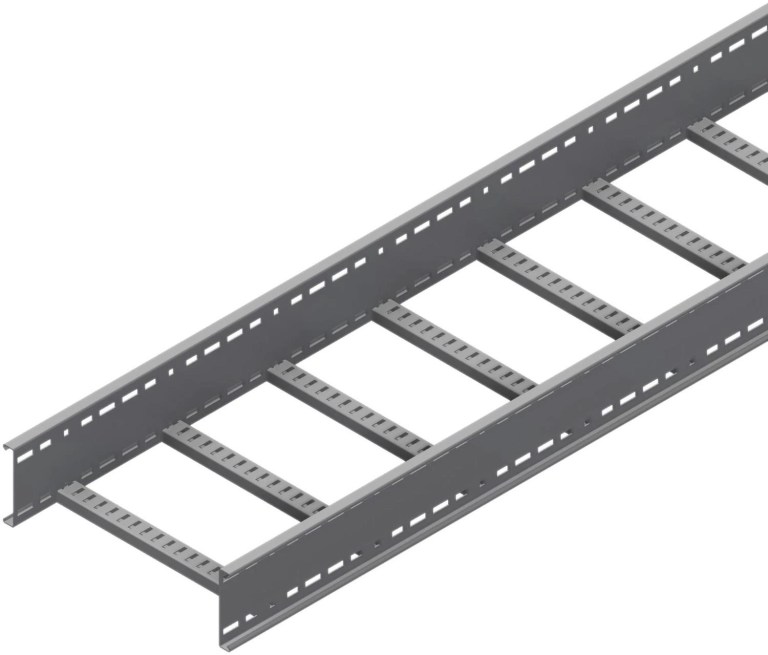
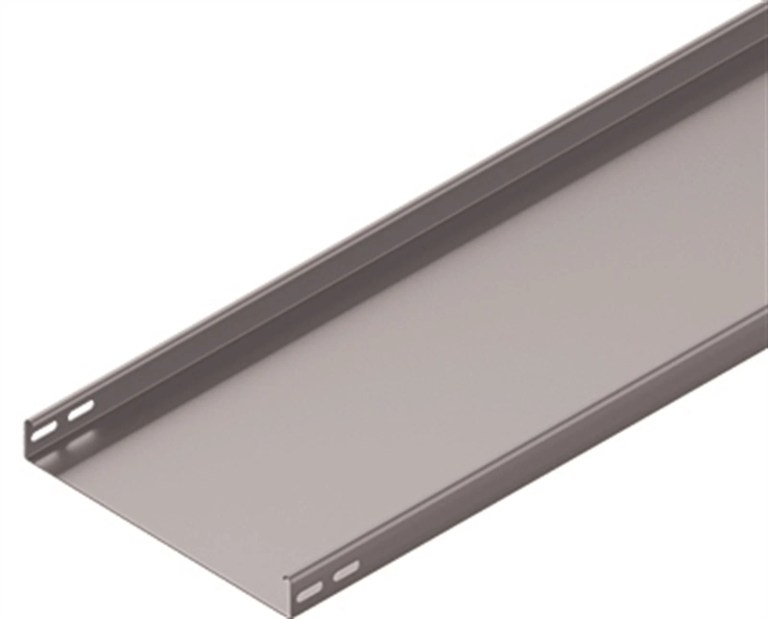
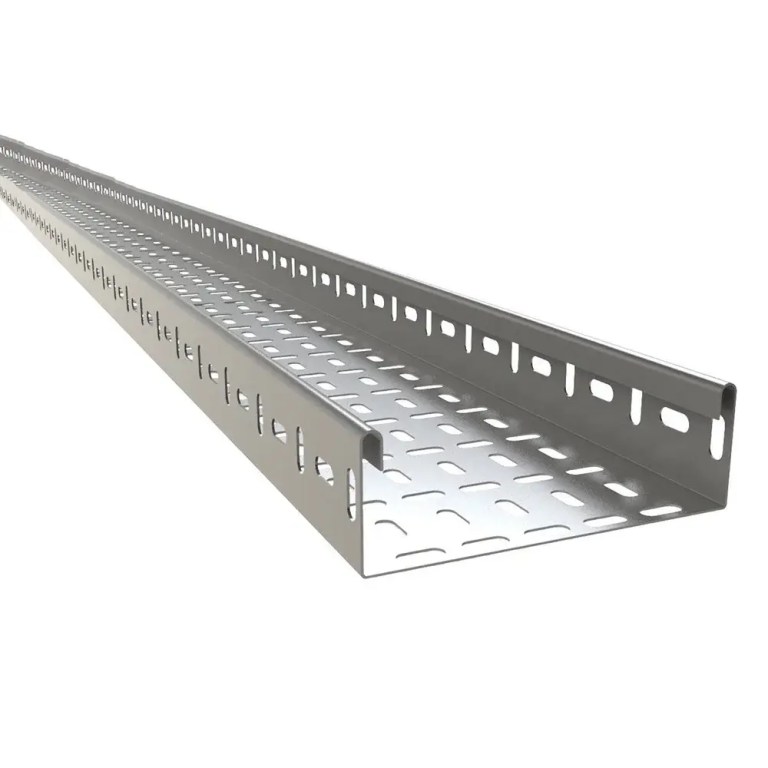
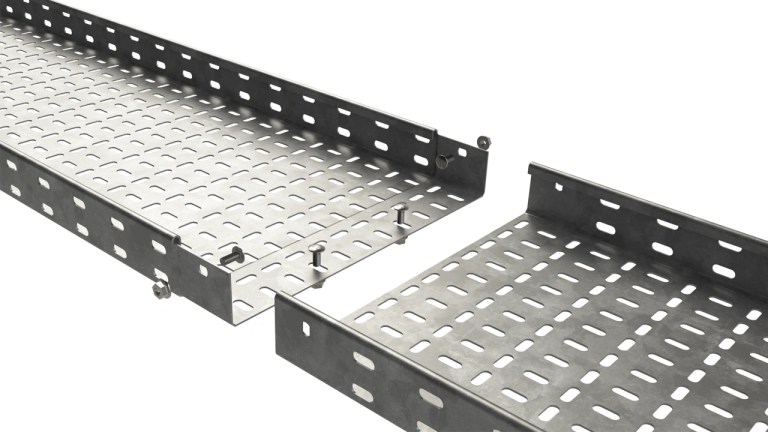
Per NEMA VE 1 standards, cable trays are categorized into these main types:
Selecting the right punching system significantly impacts production efficiency, tooling costs, and product quality. Here is a comprehensive comparison of the three primary options.
| Aspect | Specification |
|---|---|
| Punch Force | 150-300 kN |
| Cycle Speed | 10-15 strokes/min |
| Tool Life | 500,000-1,00,000 hits |
| Setup Time | 30-60 minutes for die change |
| Initial Cost | 8,000−25,000 |
| Operating Cost | Moderate (hydraulic fluid, seals) |
| Noise Level | 75-85 dB |
| Best For | Standard hole patterns, lower volume production |
Hydraulic punch devices offer reliable performance for general-purpose cable tray manufacturing. The straightforward design means easier maintenance and wider service availability globally. However, the slower cycle speed becomes a bottleneck in high-volume production scenarios.
| Aspect | Specification |
|---|---|
| Punch Force | 200-400 kN |
| Cycle Speed | 20-40 strokes/min |
| Tool Life | 800,000-1,500,000 hits |
| Setup Time | 10-20 minutes for die change |
| Initial Cost | 45,000−60,000 |
| Operating Cost | Lower than standard hydraulic |
| Noise Level | 65-75 dB |
| Best For | High-mix production, complex patterns |
Servo driven hydraulic punch machines combine hydraulic force with servo-controlled positioning for superior accuracy and speed. The programmable stroke control enables complex hole patterns without mechanical die changes, reducing setup times by up to 75%. Energy consumption averages 20-30% lower than conventional hydraulic systems due to on-demand power usage.
| Aspect | Specification |
|---|---|
| Punch Force | 300-600 kN |
| Cycle Speed | 40-60 strokes/min |
| Tool Life | 1,000,000-2,000,000 hits |
| Setup Time | 1-4 hours for die change |
| Initial Cost | 60,000−120,000 |
| Operating Cost | Higher (die wear, maintenance) |
| Noise Level | 80-95 dB |
| Best For | Dedicated high-volume production |
Punch presses deliver the fastest cycle times and highest throughput for single-product manufacturing. The mechanical linkage provides consistent force delivery across the entire stroke. However, the long setup times make punch presses less suitable for production runs requiring frequent product changes—a common scenario in custom cable tray fabrication.
| Criteria | Hydraulic Punch | Servo Hydraulic | Punch Press |
|---|---|---|---|
| Speed | ★★★☆☆ | ★★★★☆ | ★★★★★ |
| Flexibility | ★★★☆☆ | ★★★★★ | ★★☆☆☆ |
| Initial Cost | ★★★★★ | ★★★☆☆ | ★★☆☆☆ |
| Tooling Cost | ★★★★★ | ★★★★☆ | ★★☆☆☆ |
| Accuracy | ★★★☆☆ | ★★★★★ | ★★★★☆ |
| Maintenance | ★★★★☆ | ★★★★☆ | ★★★☆☆ |
| Energy Efficiency | ★★★☆☆ | ★★★★★ | ★★★☆☆ |
Most cable tray roll former machines handle these materials:
Modern cable tray machines feature width adjustment capabilities that expand production flexibility:
The cable tray roll former machine with width adjustment capability allows manufacturers to serve diverse market segments without multiple dedicated lines.
Roller material selection affects both product quality and machine longevity. Reference Engineering Toolbox for mechanical properties and material comparison.
| Roller Material | Hardness (HRC) | Application |
|---|---|---|
| GCr15 Bearing Steel | 58-62 | Standard production |
| Cr12MoV Tool Steel | 60-64 | High-strength materials |
| Tungsten Carbide | 68-72 | abrasive coatings |
| Surface Coated | Variable | Special applications |
| Level | Price | Output/Shift |
|---|---|---|
| Entry-Level | 45,000−75,000 | 500-800 m |
| Mid-Range | 75,000−150,000 | 800-1,500 m |
| High-Speed CNC | 150,000−300,000 | 1,500-2,500 m |
| Full Turnkey | 200,000−500,000 | Complete system |
When sourcing a cable tray roll former machine, evaluate suppliers against these criteria:
1. Manufacturing Experience
2. Technical Capability
3. Quality Standards
4. Customer References
5. After-Sales Support
China Manufacturing: Competitive pricing with established supply chains. Major manufacturers offer full production capabilities and export documentation support. Lead times typically 45-90 days.
European Manufacturing: Higher precision standards and advanced control systems. Better suited for specialized applications and shorter runs requiring frequent changeovers.
North American Manufacturing: Faster delivery and service response. Higher labor costs reflected in machine pricing. Best for urgent requirements and close technical collaboration needs.
Choose the right supplier type of cable tray roll former machine for your needs.
Believe Industry is a China-based manufacturer with 20+ years of roll forming expertise. We combine competitive pricing with international quality standards, export documentation support, and responsive after-sales service.
| Aspect | Details |
|---|---|
| Price Range | 50,000−300,000 |
| Lead Time | 45-120 days |
| Quality Standards | ISO 9001, CE, UL/CSA available |
| Customization | Full OEM/ODM capability |
| MOQ | 1 machine |
| Payment Terms | 30% deposit, 70% before shipment |
| Warranty | 12-24 months |
| Spare Parts | 2-year supply included |
| Training | On-site or video training included |
| Documentation | Full export docs, CE certificates |
Why Choose Believe Industry:
China has 500+ roll forming machine manufacturers. Quality varies significantly.
| Aspect | Details |
|---|---|
| Price Range | 30,000−150,000 |
| Lead Time | 30-120 days |
| Quality Standards | Varies; CE often basic |
| Customization | Depends on manufacturer |
| MOQ | Usually 1 machine |
| Payment Terms | Often 30% advance |
| Warranty | 6-12 months typical |
| Spare Parts | Extra cost |
| Training | Sometimes charged separately |
| Documentation | Variable quality |
Risks to Consider:
Premium suppliers with advanced technology and strict quality control.
| Aspect | Details |
|---|---|
| Price Range | 150,000−500,000+ |
| Lead Time | 90-180 days |
| Quality Standards | ISO, CE, UL fully certified |
| Customization | Engineering-led approach |
| MOQ | Usually 1 machine |
| Payment Terms | 30/70 or progress payments |
| Warranty | 12-24 months |
| Spare Parts | Readily available |
| Training | Comprehensive programs |
| Documentation | Full compliance documentation |
When to Choose US/EU:
For startups or low-volume producers:
Most common configuration for established manufacturers:
For large-scale production facilities:
Operator-level checks that take 15-20 minutes:
Maintenance technician activities:
Preventive maintenance schedule:
| Issue | Likely Cause | Solution |
|---|---|---|
| Dimensional variation | Roller wear, misalignment | Re-shim or replace rollers |
| Surface scratches | Contamination, roller damage | Clean material, resurface rollers |
| Inconsistent punching | Hydraulic pressure drop | Check pump, valves, accumulators |
| Vibration during operation | Unbalanced components | Balance or replace affected parts |
| Electrical faults | Loose connections, contamination | Clean and re-torque connections |
Yes. Changeover takes 10-30 minutes (depending on adjustment type). Most cable tray roll former machines handle 100mm to 600mm+.
Cable tray machines need:
15-25 years with proper maintenance. Wear parts (rollers, bearings, seals) need replacement every 5-10 years.
Most machines need:
Reference Engineering Toolbox for concrete specifications and load calculations. Your supplier provides detailed foundation drawings.
Some machines work with both 220V and 380V.
Modern CNC machines achieve tolerances meeting ISO 14315 industrial rolling standards:
These tolerances exceed most installation requirements and building codes.
Yes. Use angle grinder, circular saw, or nibbler. Note: modifications may void certifications.
Calculate:
Example: 1,000 m/shift × 250 days × 1 shift = 250,000 meters/year
Industry standards, technical references, and authoritative sources for further reading.
| Resource | Description | Link |
|---|---|---|
| NEMA (National Electrical Manufacturers Association) | Defines cable tray standards and specifications in the US | nema.org |
| IEC (International Electrotechnical Commission) | Global standards for electrical infrastructure | iec.ch |
| NEC (National Electrical Code) | US installation standards for cable tray systems | nfpa.org |
| CSA Group | Canadian standards for electrical equipment | csagroup.org |
| Resource | Description | Link |
|---|---|---|
| ASTM International | Steel material specifications and testing methods | astm.org |
| ISO 14315 | Industrial sheet metal rolling standards | iso.org |
| CE Marking Guide | European compliance requirements | ec.europa.eu |
| Resource | Description | Link |
|---|---|---|
| MarketsandMarkets – Cable Management | Global cable management market size & forecast | marketsandmarkets.com |
| Grand View Research | Industry analysis reports | grandviewresearch.com |
| World Cable Industry Report | Global wire & cable market trends | statista.com |
| Resource | Description | Link |
|---|---|---|
| ThomasNet | Industrial equipment suppliers directory | thomasnet.com |
| Engineering Toolbox | Mechanical design formulas and reference | engineering toolbox.com |
| MatWeb | Material property database | matweb.com |
| Resource | Description | Link |
|---|---|---|
| FRA (Fabricators & Manufacturers Association) | Roll forming technical resources | thefabricator.com |
| ** sheetmetalworld ** | Industry news and technical articles | sheetmetalworld.com |
Investing in a cable tray roll former machine requires careful analysis of production requirements, budget constraints, and long-term business objectives. The comparison between punch solutions—hydraulic punch devices, servo driven hydraulic punch machines, and punch presses—reveals that the optimal choice depends on your specific production volume, product mix, and flexibility requirements.
For most new market entrants, a servo driven hydraulic punch configuration offers the best balance of speed, flexibility, and cost. Established high-volume producers may benefit from the throughput advantages of dedicated punch press integration.
As the cable management market continues evolving toward automation and digital integration, selecting a machine with upgrade pathways and IoT connectivity becomes increasingly important for future-proofing your investment.
Next steps:
| Date | Change | Notes |
|---|---|---|
| 2026-05-04 | Initial creation | First version published |
| 2026-08-04 | Scheduled review | Verify links, update pricing data |
A cable tray roll former machine shapes metal strips into cable trays....
Read MoreWall Cladding Roll Former: Complete Buyer’s Guide 2026 A wall cladding...
Read MoreAn interlocking wall panel roll former is a cold roll forming machine that...
Read MoreA scaffold workboard roll forming machine is an automated industrial...
Read MoreSubscribe now to keep reading and get access to the full archive.