Table of Contents

Interlocking Wall Panel Roll Former

Interlocking Wall Panel Roll Former | Manufacturers & Specifications 2026

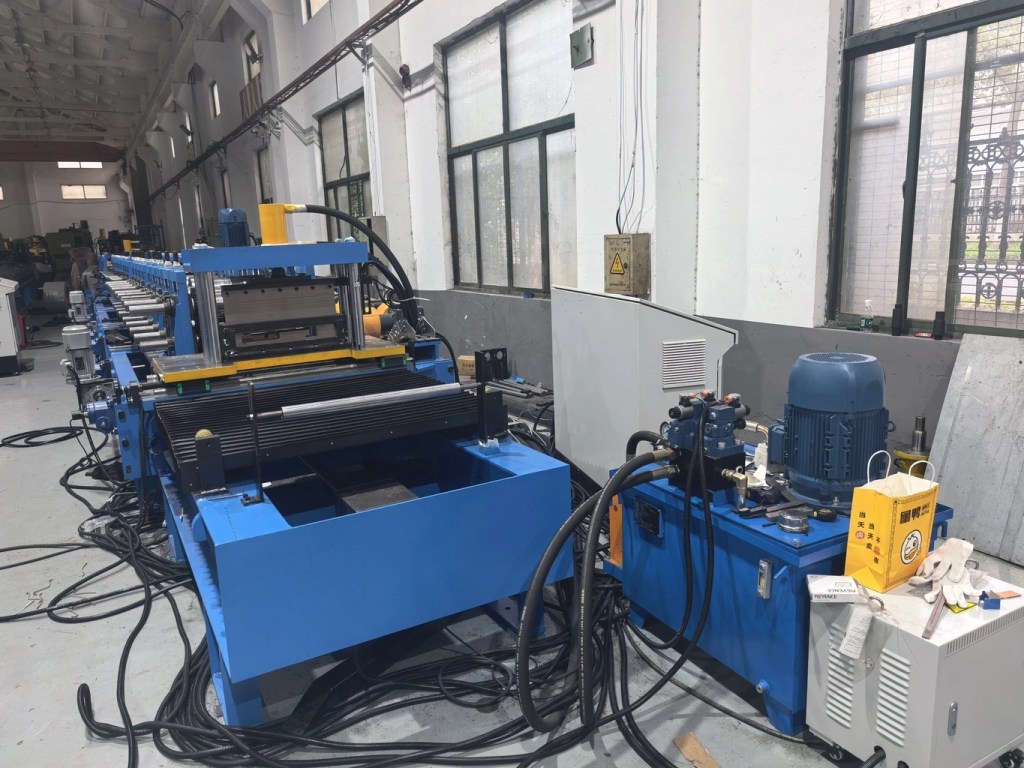
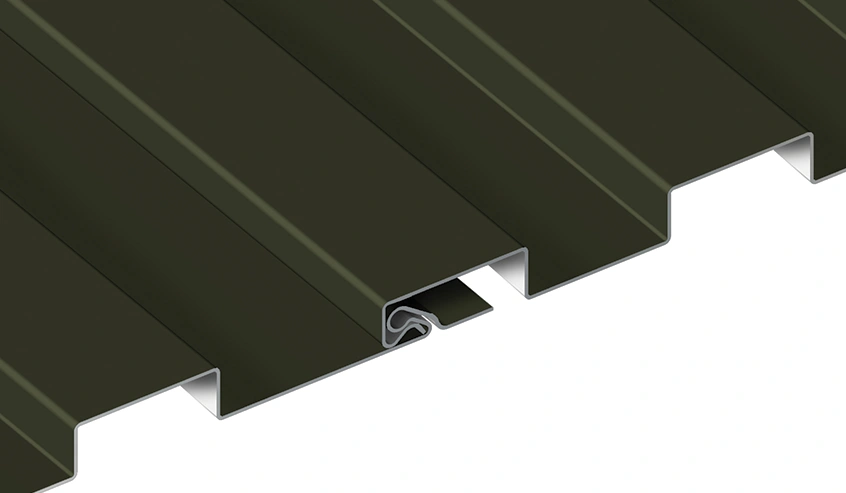
An interlocking wall panel roll former is a cold roll forming machine that makes wall panels with built-in locks. No screws or adhesives needed — panels snap together. This saves time and money on construction sites worldwide.

The interlocking wall panel roll former gets its name from the lock edges formed during production. Each interlocking wall panel roll former creates a male and female edge in one continuous process.

Unlike old methods (press brakes or separate panels), this machine produces long, continuous panels in one pass. It reduces labor, cuts wast

Interlocking Wall Panel Roll Former Specifications at a Glance

SpecificationValue
Machine length6,000–12,000 mm
Forming speed0–30 m/min
Material thickness0.3–0.8 mm
Material width400-900 mm
Roller stations14–24 stations
Main motor5.5–15 kW
Annual output500,000–2,000,000 meters
ROI period12–24 months
Markets served10+ countries

Watch the Interlocking Wall Panel Roll Former in Action

See how interlocking wall panels are formed from flat steel coil to finished product in this factory walkthrough.

How It Works (Step by Step)

  1. Decoiler — Feeds coiled steel or aluminum into the machine
  2. Forming rollers — Bend the flat strip into the interlocking shape
  3. Interlocking station — Final shaping of lock edges (hook and groove)
  4. Flying cut-off — Cuts panels to length without stopping
  5. Output — Stacked or bundled for shipping

Why interlocking? Panels lock together. No exposed screws. Better weather seal. Stronger walls.

The interlocking wall panel roll former uses forming rollers to shape the metal strip. Each pass through the rollers adds more detail to the lock geometry.

Machine Components

ComponentWhat It DoesSpec
DecoilerHolds coil stock5–10 ton capacity
Entry GuideAligns metal stripAdjustable rails
Forming MillShapes the profile14–24 roller stations
Interlocking StationForms lock edgesHardened steel rollers
Cut-off SystemCuts to lengthHydraulic or servo shear
Control CabinetRuns the machinePLC + touchscreen

4 Profile Types

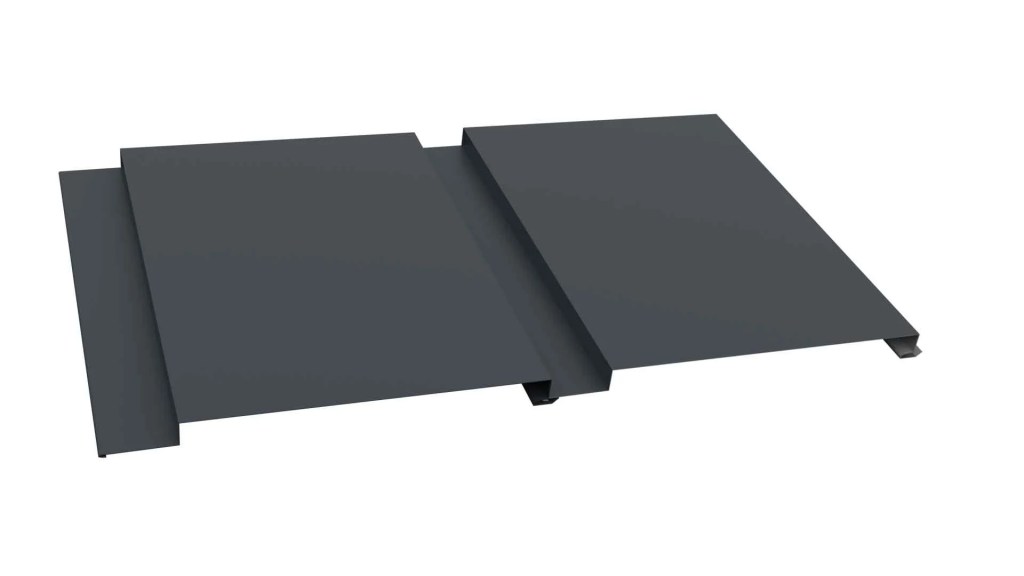
1. Traditional Interlocking

  • Single hook-and-groove on one side
  • Lap joint on the other
  • Best for: Agricultural buildings, warehouses

Traditional Interlocking

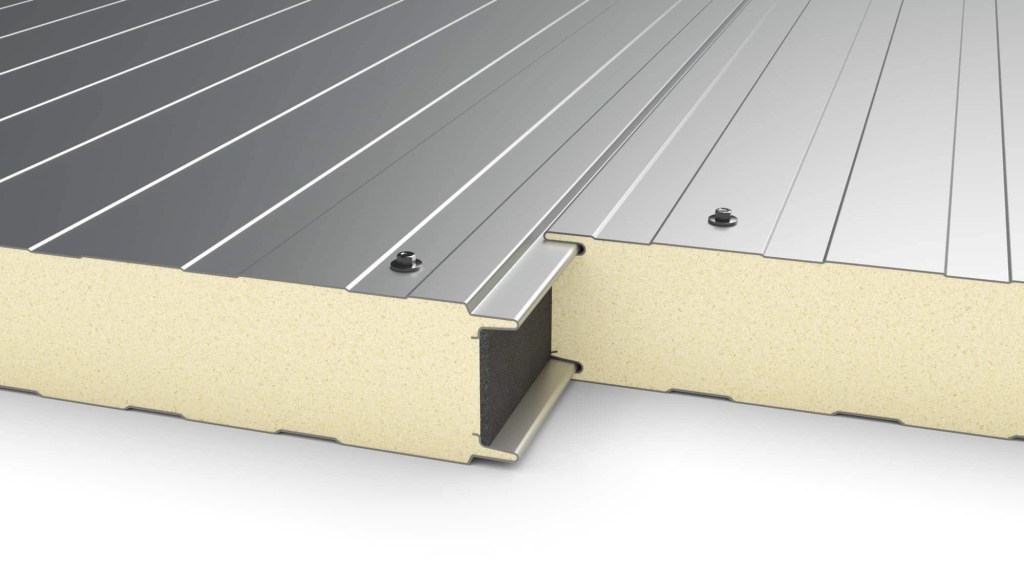
2. Double Interlock

  • Locks on both edges
  • Maximum strength and air tightness
  • Best for: Cold storage, climate-controlled buildings

double interlock

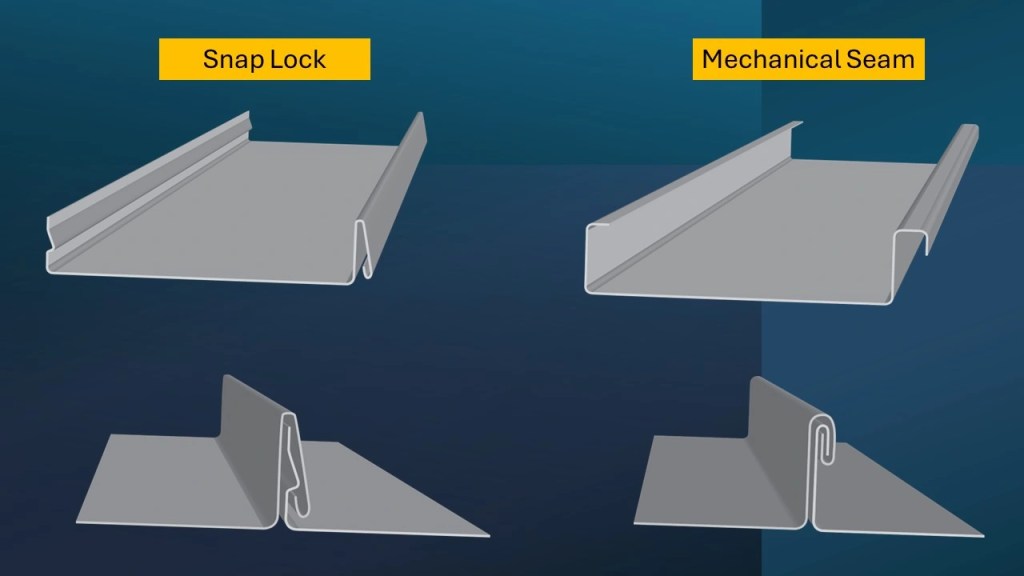
3. Snap-Lock

Snap-Lock

4. High-Rib Interlocking

  • Extra stiffening ribs
  • Stronger for tall walls
  • Best for: Multi-story buildings, high-wind areas

High-Rib Interlocking

Application Sectors

SectorUse CasesKey Needs
AgricultureBarns, sheds, farm buildingsRust resistance, low cost
CommercialWarehouses, retail buildingsFast install, weather seal
IndustrialFactories, distribution centersStrength, thermal performance
ResidentialPrefab homes, sidingGood looks, easy install
Cold StorageRefrigerated warehousesAir tightness, insulation
ModularPrefab walls, containersPrecision, lightweight

For cold storage: panels must meet ASHRAE standards for insulated wall assemblies.

Related equipment: Corrugated sheet machines | Standing seam machines

Interlocking Wall Panel Roll Former vs Other Machines

FeatureInterlocking Roll FormerPress BrakeSnap-Fit Machine
Speed10–30 m/min0.5–2 m/min5–15 m/min
Waste1–3%5–10%3–5%
Labor1–2 workers2–3 workers1–2 workers
Panel lengthUnlimitedLimited by bedContinuous
Price150K50K45K

Result: Higher upfront cost, but pays back in 12–24 months through lower labor and material costs.

Tip: Double-layer machines can make both wall and roofing panels on one line.

5 Things to Check Before Buying an Interlocking Wall Panel Roll Former

Step 1: Know Your Profile

  • Get exact drawings (dimensions, tolerances)
  • Ask manufacturers to produce samples first
  • We offer free profile consultation

Step 2: Match Capacity

The interlocking wall panel roll former production capacity varies by model and configuration.

  • Calculate needed output (meters per shift)
  • High volume? → Auto decoiler + flying cut-off
  • Low volume? → Manual coil changeover is fine

Step 3: Check Material Compatibility

The interlocking wall panel roll former handles various materials for different applications.

MaterialThicknessNotes
Galvanized steel0.4–0.8 mmStandard — ASTM A653
Galvalume0.4–0.8 mmWatch coating hardness — ASTM A792
Aluminum0.5–2.0 mmFaster speeds, needs roller adjustment
Color-coated steel0.4–0.8 mmKeep rollers clean — ASTM A755

This interlocking wall panel roll former supports both thin and thick materials depending on your profile requirements.

Step 4: Verify Quality

Look for:

  • Welded steel frame (not bolted sheet metal)
  • Hardened roller shafts
  • Sealed bearings
  • Safety guards
  • Electrical schematics and manuals

Ask for: References, spare parts list, support response time

Step 5: Plan for Changeover

The interlocking wall panel roll former can be configured for quick profile changes with cassette-style housings.

Changeover TypeTime Needed
Standard machine2–8 hours
Quick-change cassettes15–45 minutes
Dedicated (single profile)No changeover

Interlocking Wall Panel Roll Former Price Guide (FOB China)

LevelPriceWhat’s Included
Entry-level40K12 stations, manual decoiler, basic PLC
Mid-range80K16–20 stations, hydraulic decoiler, VFD
High-speed150K20–24 stations, flying cut-off, servo control
Premium$150K+Multi-profile, full automation

Adds to cost:

  • More roller stations
  • Flying electric cut-off (vs. hydraulic)
  • Auto loading/stacking
  • Carbide rollers
  • Custom profiles (5K20K extra)
  • Extended warranty

Saves money:

  • Energy-efficient drives
  • Durable rollers (less replacement)
  • Standard profiles (no custom tooling)
  • Remote diagnostics

FAQ

What is an interlocking wall panel roll former?

The interlocking wall panel roll former is a machine that makes wall panels with built-in lock edges. Panels snap together without screws or glue.

How fast does it run?

The interlocking wall panel roll former produces 10–30 meters per minute. Flying cut-off systems keep production continuous without stopping the machine.

What materials can the interlocking wall panel roll former process?

Galvanized steel, Galvalume, aluminum, and color-coated steel. Thickness: 0.3–1.5 mm.

How long to change profiles?

The interlocking wall panel roll former changeover time depends on your machine configuration.

  • Standard: 2–8 hours
  • Quick-change: 15–45 minutes
  • Dedicated: None
What maintenance is needed?

The interlocking wall panel roll former needs regular maintenance to perform at its best.

FrequencyTasks
DailyInspect rollers, check oil, verify guards
WeeklyLubricate chains, check alignment
YearlyReplace gear oil, check roller wear, full inspection

See our troubleshooting guide.

Can it make different widths?

Yes, of course, we offer different solution of adjustment for different width:

  1. Manual adjust spacer
  2. Manual rotary adjust the one side stands position
  3. Auto adjust one side stands possition
  4. Cassette Mill
When does it pay for itself?

12–24 months for high-volume producers. Multiple shifts and premium pricing speed up payback.

Automation reduces labor costs by 15–30% vs. manual methods.

Summary

An interlocking wall panel roll former makes connected wall panels — no screws needed. It serves agriculture, commercial, industrial, and residential projects.

The interlocking wall panel roll former delivers fast installation, weather-resistant walls, and strong mechanical connections that outperform traditional fastening methods.

Key points:

  • Fast installation, weather-resistant walls
  • 10–30 m/min production speed
  • 25K–150K price range
  • 12–24 month payback period

When choosing an interlocking wall panel roll former supplier, prioritize:

  • Profile design experience
  • Technical support quality
  • Spare parts availability
  • Sample production capability

Explore related equipment:

Believe Industry has made interlocking wall panel roll formers since 2005. We serve 40+ countries. Free profile consultation. Sample panels in 2–4 weeks.

For industry benchmarks, see the FMA technical resources.

China vs US Interlocking Wall Panel Roll Former Supplier Comparison

FactorBelieve IndustryChina Supplier (Avg)US Supplier (Avg)
Price150K+100K+400K+
Lead time30–90 days30–120 days90–180 days
Engineering supportDedicated team, free samplesLimitedFull in-house
Custom profilesYes, free, 2–4 weeksExtra time, extra costYes, expensive
Control brandsDelta, Siemens, MitsubishiGeneric or singleSiemens, Allen-Bradley
Roller qualityRc 58–62 tool steelCarbon steel commonCarbide options
Warranty12–24 months6–12 months12–36 months
TrainingRemote + on-siteExtra costIncluded on-site
Spare partsGlobal shippingSlow exportLocal stock
Export experience40+ countries since 2005VariableN/A (domestic focus)
CertificationsCE, UL on requestRareUL, CSA, OSHA
Machine lifespan15–25 years5–15 years15–30 years

Bottom Line

Believe Industry: Best value — Chinese manufacturing costs with export-grade quality and support. Ideal for buyers who want an interlocking wall panel roll former at reasonable prices with professional support.

Typical Chinese suppliers: Lower prices, but quality varies. Limited support. Verify before buying.

US suppliers: Premium quality and local support — but 2.5–4x the price. Best for buyers who need domestic service and full compliance.

Changelog

VersionDateChanges
1.0April 2026

Initial publication: Core Content, Specifications, FAQ, Comparison Table, Internal and External Links


Next Review: October 2026

Discover more from Believe Industry Company| Roll Forming Machine Manufacturer, Supplier & Exporter

Subscribe now to keep reading and get access to the full archive.

Continue reading