Address
No 1, Yd Road, Huishan District, Wuxi City, Jiangsu. 214183
Work Hours
Monday to Friday: 9AM - 5PM
Saturday: 9AM - 4PM
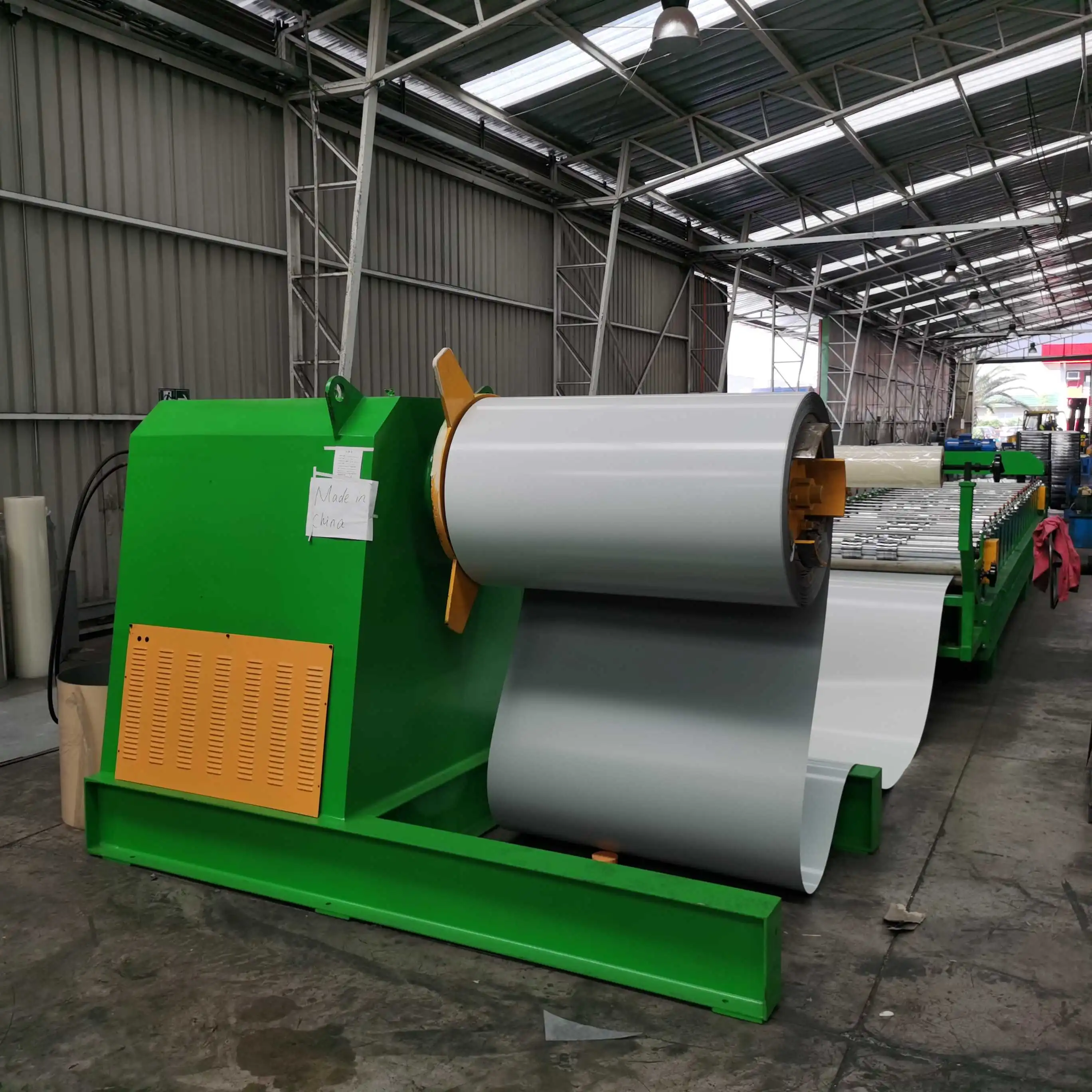
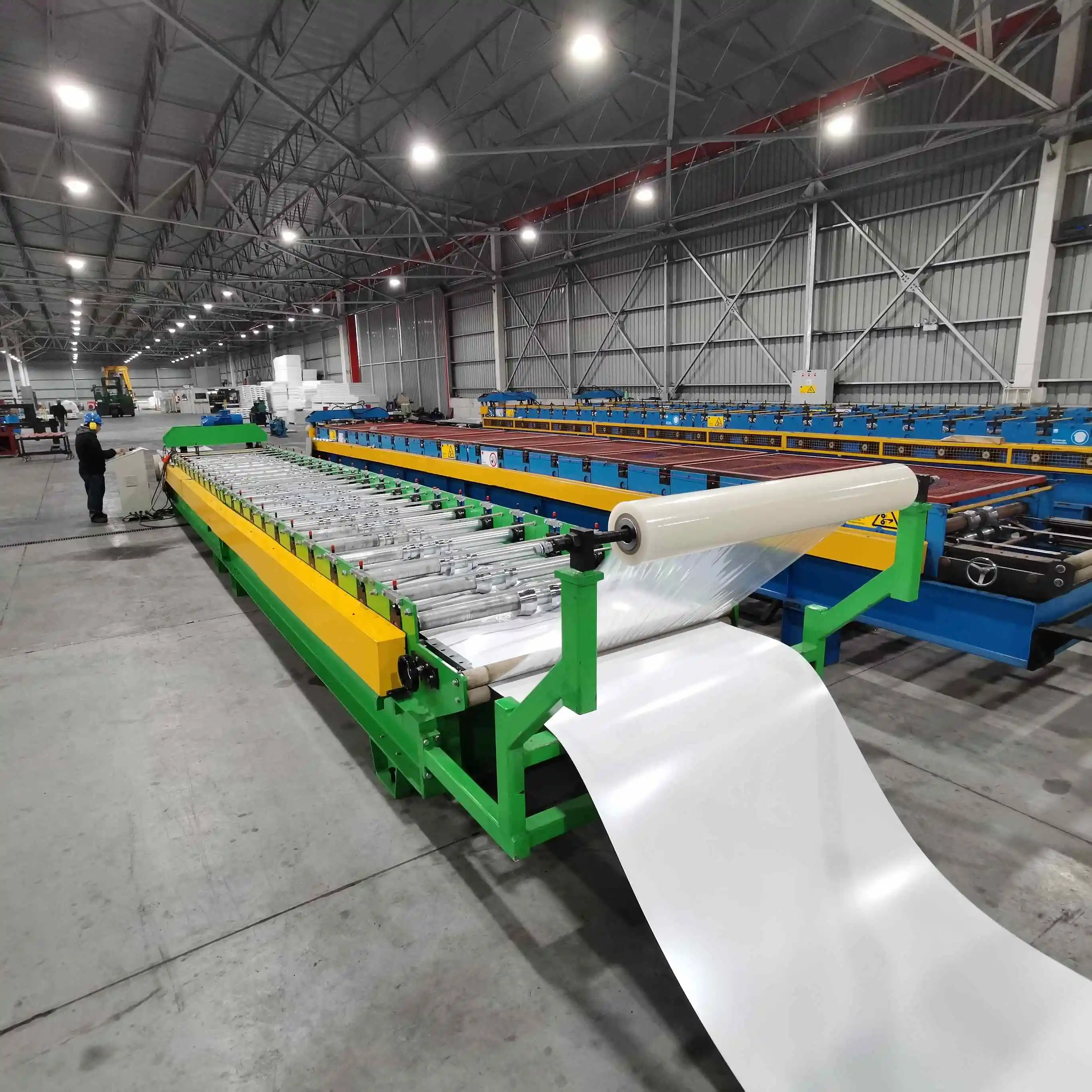
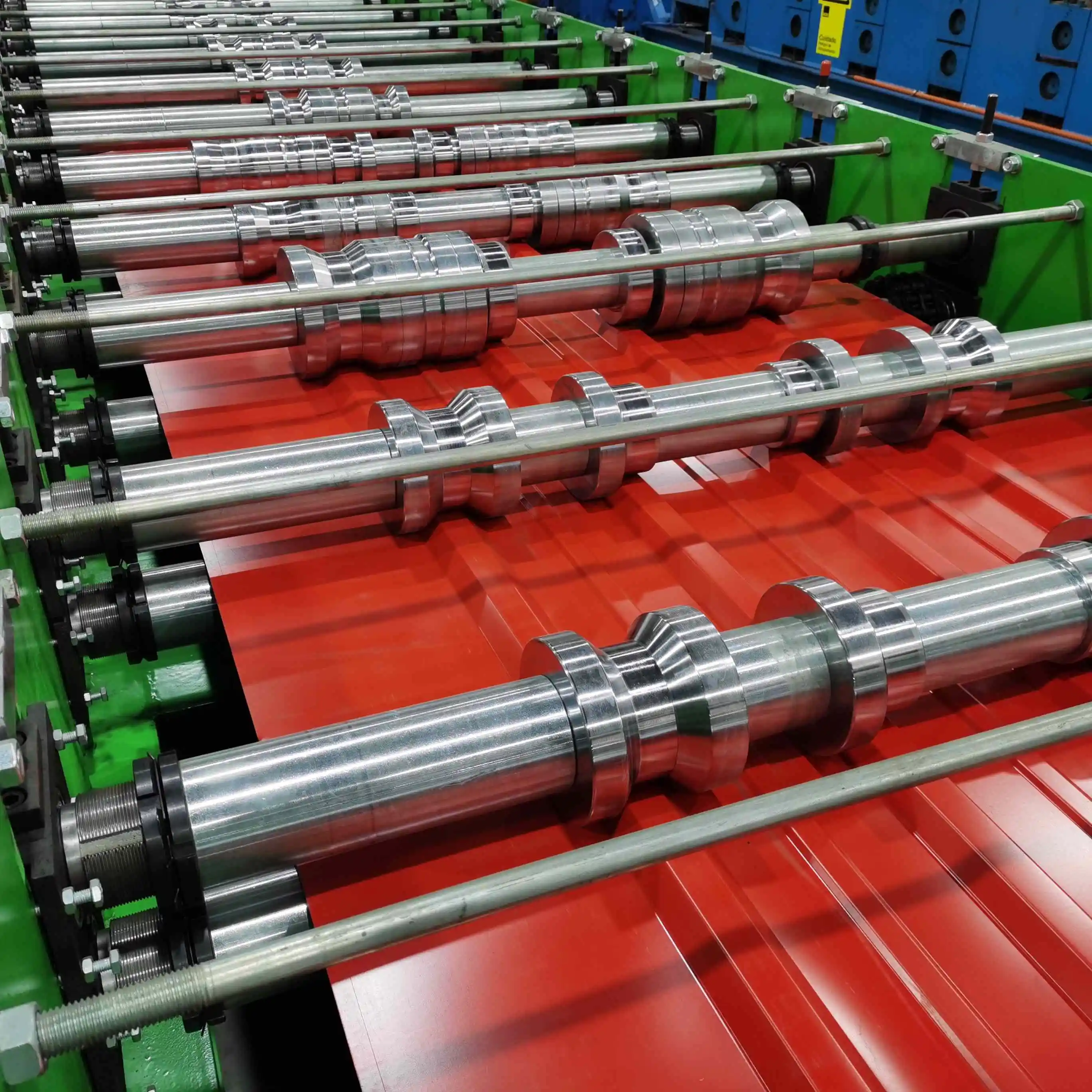
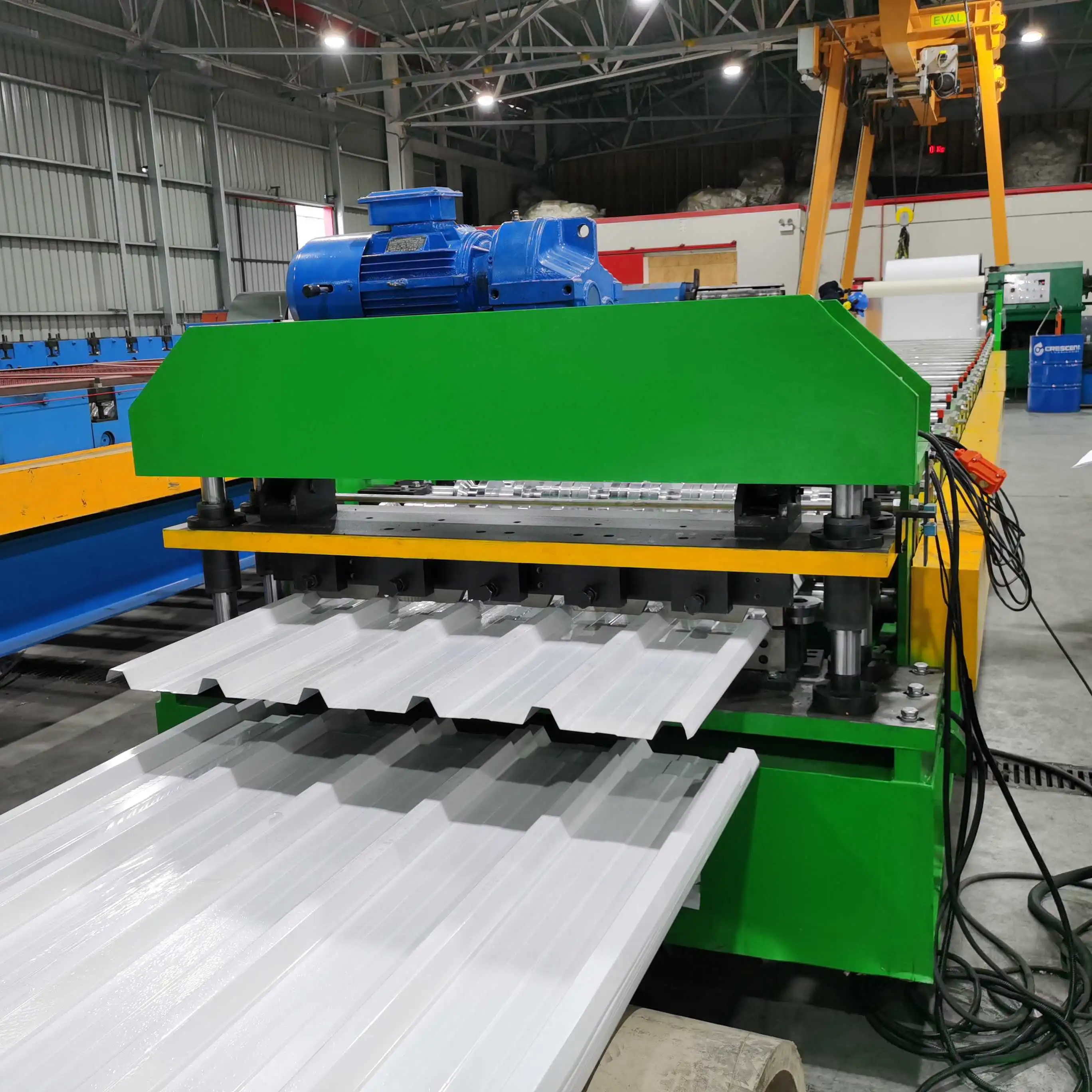
A Widespan Roof Sheeting Roll Forming Machine is an industrial manufacturing system built to continuously shape flat metal coils into durable roofing sheets. Furthermore, this heavy-duty equipment uses a series of perfectly calibrated rollers to bend steel accurately at room temperature. Consequently, it provides a highly efficient and reliable solution for creating structural roof panels. Therefore, modern factories rely on it heavily to maintain high-speed, zero-defect production cycles.
Specifically, the output from a Widespan Roof Sheeting Roll Forming Machine is widely used throughout South Africa and neighboring Southern African countries. Additionally, regional manufacturers frequently expand their catalogs to include other popular roofing profiles to capture more market share. For instance, they often utilize complementary equipment to produce corrugated panels alongside their widespan sheets. Ultimately, adding these variations creates a highly competitive and lucrative commercial roofing portfolio.
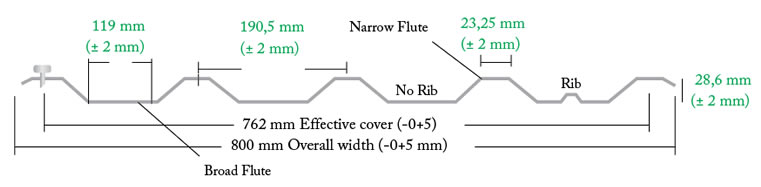
What exactly is Widespan roofing? Widespan is a specific angular, trapezoidal ribbed roofing profile engineered to span wider distances between structural building supports. Therefore, a Widespan Roof Sheeting Roll Forming Machine precisely presses these distinct ribs into the metal to maximize its load-bearing capacity. Additionally, this unique profile allows for excellent water drainage during heavy, sustained rainfall. Consequently, it has become an incredibly popular architectural choice for expansive buildings requiring superior durability.
To build a complete factory setup, facility managers should explore a Comprehensive Analysis of Roll Forming Machine technology. Similarly, many businesses choose to operate an IBR Sheet Roll Forming Machine alongside their widespan line. Furthermore, adding a Corrugated Sheet Roll Forming Machine ensures your business can cater to traditional housing demands. Therefore, diversifying your facility’s equipment portfolio is a highly profitable, long-term strategy.
A top-tier Widespan Roof Sheeting Roll Forming Machine relies entirely on advanced industrial automation. Specifically, it uses a PLC, which stands for Programmable Logic Controller. A PLC is an industrial computerized control system that constantly monitors input sensors to make autonomous mechanical decisions. Consequently, this smart technology actively prevents human error during metal roof sheeting fabrication. Therefore, operators can manage the entire line using a simple touchscreen interface.
According to a recent manufacturing efficiency report published by the Department of Energy (energy.gov), upgrading to automated motor control systems reduces industrial material waste by over 25%. Additionally, this efficiency translates directly to massive cost savings over the machine’s lifespan. Furthermore, modern continuous roll forming equipment operates at speeds exceeding 15 meters per minute. Ultimately, investing in this technology ensures excellent environmental sustainability and robust financial returns.
Feeding the correct material into your Widespan Roof Sheeting Roll Forming Machine is critical for maintaining product quality. Generally, operators utilize galvanized steel or pre-painted metal coils to prevent long-term environmental rusting. Moreover, aluminum-zinc alloy coated steel provides exceptional resistance against harsh coastal climates. Consequently, selecting premium raw materials directly dictates the lifespan of the installed roof. Therefore, you must always source high-grade coils from reputable metallurgical suppliers.
Additionally, investing in cross-domain technologies significantly enhances your overall production capabilities. For example, some advanced facilities utilize a high-speed IBR Roofing Sheet Roll Forming Machine from our partners to boost output. Conversely, architectural projects requiring specialized interlocking ribs might benefit from a Spandek Roofing Roll Forming Machine. Furthermore, integrating a Klip-Lok Roof Sheet Roll Forming Machine allows for concealed fastener solutions. Ultimately, combining these manufacturing systems offers unparalleled market reach.
Understanding the precise technical capabilities of a Widespan Roof Sheeting Roll Forming Machine is strictly required for industrial buyers. Therefore, we have compiled a detailed breakdown of the machine’s primary mechanical components below. Moreover, these specifications highlight the incredible durability and efficiency engineered into the system. Consequently, you can accurately plan your factory floor layout and daily production schedules.
| Component Category | Technical Specification | Data / Description |
| Decoiler Unit | Capacity | 5 Tons to 10 Tons |
| Decoiler Unit | Expansion Type | Manual or Hydraulic Expansion |
| Decoiler Unit | Coil Inner Diameter | 508 mm to 610 mm |
| Main Roll Forming Unit | Machine Base Frame | Welded heavy-duty H-beam steel |
| Main Roll Forming Unit | Roller Material | High-grade 45# forged steel |
| Main Roll Forming Unit | Roller Surface Treatment | Hard Chrome Plated (0.05mm thickness) |
| Main Roll Forming Unit | Shaft Diameter | 70 mm to 90 mm solid steel |
| Main Roll Forming Unit | Forming Stations | 16 to 22 steps (profile dependent) |
| Main Roll Forming Unit | Main Motor Power | 5.5 kW to 7.5 kW |
| Main Roll Forming Unit | Forming Speed | 12 to 20 meters per minute |
| Main Roll Forming Unit | Transmission Type | 1-inch to 1.2-inch Chain Drive |
| Cutting System | Cutting Type | Hydraulic post-cutting system |
| Cutting System | Blade Material | Cr12MoV mold steel with quenching |
| Cutting System | Hydraulic Motor Power | 3 kW to 4 kW |
| Cutting System | Cutting Tolerance | ± 2.0 mm |
| Control System | Core Technology | PLC (Programmable Logic Controller) |
| Control System | Operator Interface | Color Touch Screen (HMI) |
| Control System | Length Measurement | High-precision Rotary Encoder |
| Control System | Electrical Components | Schneider / Siemens / Delta |
| Control System | Voltage Requirement | 380V, 50Hz, 3Phase (Customizable) |
To assist factory managers in their daily planning, we developed a dynamic interactive utility. Specifically, this calculator estimates the maximum daily output of your Widespan Roof Sheeting Roll Forming Machine. Furthermore, you can effortlessly adjust the running speed and shift hours to see real-time meter projections. Consequently, this simple utility helps optimize your daily manufacturing targets and logistics planning.
Total Projected Output: 7,200 meters/shift
In conclusion, acquiring a Widespan Roof Sheeting Roll Forming Machine is a highly transformative investment for progressive roofing manufacturers. It specifically addresses the immense demand for wide-spanning, durable commercial roofing structures across Southern Africa. Moreover, the seamless integration of advanced PLC technology guarantees unmatched efficiency, minimal scrap, and superior product quality. Therefore, upgrading your industrial facility with this robust equipment will immediately elevate your global market competitiveness.
Are you ready to scale your metal roofing production to unprecedented new heights? Contact the Believe Industry engineering team today to discuss your specific factory requirements. Furthermore, our seasoned engineers can customize a Widespan Roof Sheeting Roll Forming Machine perfectly tailored to your exact profile dimensions. Consequently, do not hesitate to request a free, comprehensive quotation from our sales department right now!
A widespan roof sheeting roll forming machine is an industrial device that bends flat steel into wide roofing panels. Furthermore, it operates automatically using sequential forming rollers. Consequently, it creates highly durable structural sheets rapidly.
You manufacture it efficiently by feeding continuous steel coils into a dedicated roll forming line. Additionally, the machine automatically shapes and cuts the metal to length. Therefore, this method completely eliminates slow manual bending processes.
The best machine utilizes solid 75mm steel shafts and Cr12MoV cutting blades. Moreover, it should feature a reliable PLC touchscreen control system. Therefore, a properly engineered widespan roof sheeting roll forming machine outperforms cheaper alternatives.
You manage production by programming exact lengths and quantities into the machine’s computer interface. Subsequently, the automated system handles the continuous forming and cutting. Thus, a single operator can easily oversee massive daily outputs.
The correct setup involves perfectly aligning the motorized decoiler with the main forming unit. Additionally, the rollers must be calibrated to the specific thickness of your steel coil. Consequently, this prevents unwanted twisting or bowing in the final product.
Yes, it can seamlessly process galvanized steel or prepainted coils ranging from 0.3mm to 0.8mm thick. However, operators must slightly adjust the roller gaps when changing materials. Therefore, your widespan roof sheeting roll forming machine remains highly versatile.
The standard production speed ranges between 15 and 20 meters per minute. Furthermore, the integrated flying shear allows continuous movement without stopping. Consequently, factories can produce thousands of meters every single shift.
No, the entire automated line typically requires only one or two trained operators. Moreover, the PLC control system manages the complex measuring and cutting tasks. Therefore, your widespan roof sheeting roll forming machine drastically reduces overhead labor costs.
A step beam machine is an advanced industrial roll forming...
Read MoreA Strut Channel Machine Mexico is a high-speed, automated production...
Read MoreIn the rapidly evolving landscape of industrial manufacturing, the Box...
Read MoreWhat are the benefits of using top step tile roll...
Read More