Address
No 1, Yd Road, Huishan District, Wuxi City, Jiangsu. 214183
Work Hours
Monday to Friday: 9AM - 5PM
Saturday: 9AM - 4PM
Address
No 1, Yd Road, Huishan District, Wuxi City, Jiangsu. 214183
Work Hours
Monday to Friday: 9AM - 5PM
Saturday: 9AM - 4PM

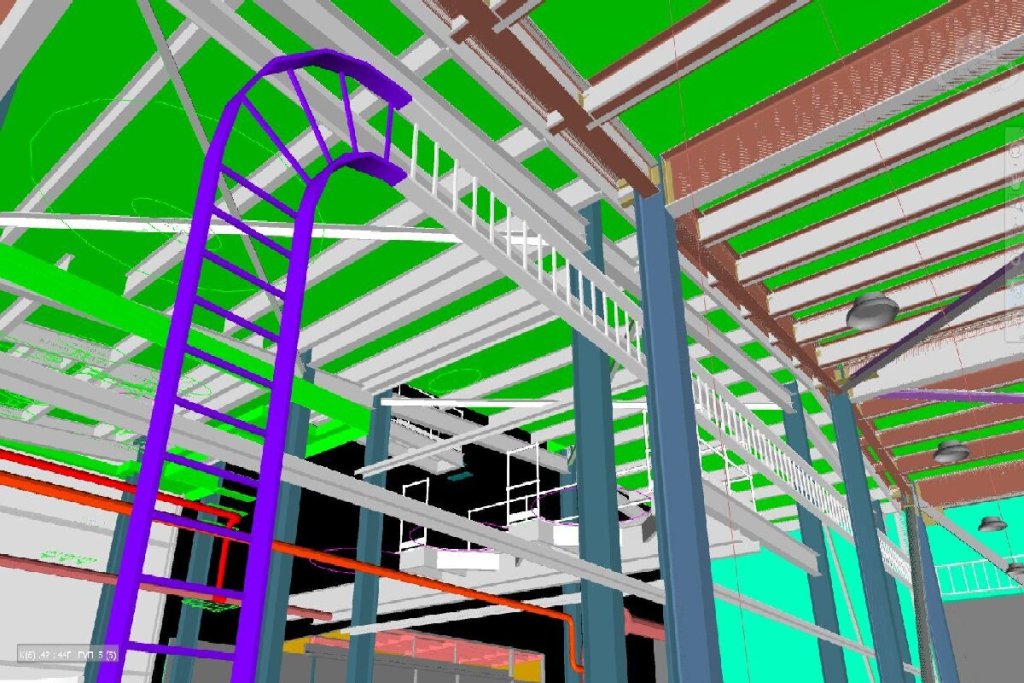
Cable tray is a system used to support and route electrical cables, communication cables, and other types of wiring in both commercial and industrial environments. It provides a safe, organized, and efficient way to manage cables, ensuring they are accessible, protected, and properly supported. A well-designed cable tray system can significantly enhance the durability and longevity of your wiring infrastructure.
Choosing the right cable tray can have a profound impact on your project’s success and efficiency. There are several factors to consider, including the type of cables it will support, the environment where it will be installed, and the future scalability of your wiring system.
When selecting materials for your cable tray, it’s essential to consider the specific needs of your project. For instance, in environments exposed to moisture, a corrosion-resistant cable tray made of fiberglass or galvanized steel might be necessary.
The width and depth of your cable tray are crucial for accommodating various types of cables and ensuring sufficient airflow to prevent overheating.
The tray width should be sufficient to accommodate the cables, with extra room for future expansion. It’s generally a good practice to keep about 30–40% of the tray’s total capacity free for future cable additions.
The depth of the tray depends on the cable type and weight. Deeper trays are often required for larger cables or for installations that need to support heavier loads, such as power distribution cables.
The fill ratio is a percentage that indicates how much of the tray’s volume is occupied by cables. According to the National Electrical Code (NEC), a typical fill ratio should not exceed 50%–60% of the tray’s total volume, which allows for proper air circulation and easy maintenance.
Proper installation of cable tray supports and fittings is vital for maintaining the integrity of the system. Ensure your installation complies with local electrical codes and standards.
The tray must be able to support the weight of the cables it will carry. The load rating is usually specified by the manufacturer, and it’s important to adhere to these ratings to prevent sagging or failure of the tray system.
Cable trays need to be properly supported and equipped with additional fittings to ensure they are secure and functional:
Cable trays need to comply with local electrical codes and safety standards. These include:
In high-risk environments, choosing an explosion-proof cable tray can provide additional safety and peace of mind against potential hazards.
Before installing a cable tray, the pathway should be carefully planned to ensure cables won’t be obstructed by walls, beams, or other structures. The tray should also allow for easy access and future expansion.
Sufficient clearance must be maintained between the cable tray and any obstructions (e.g., walls, ceilings) to ensure proper ventilation and avoid heat buildup.
Specialized cable tray systems are available for specific applications, such as corrosive environments or areas requiring high flexibility.
In certain applications, you may require specialized tray systems:
For use in environments with high humidity, chemicals, or saltwater, trays made from non-corrosive materials such as fiberglass-reinforced plastic (FRP) or galvanized steel are ideal.
In industries where explosive gases or vapors are present, explosion-proof cable trays are used. These trays are designed to prevent sparks from igniting the surrounding environment.
In areas with complex pathways or limited space, flexible trays can be used to navigate tight corners or irregular routes.
For optimal results, consult with a professional to ensure that your cable tray installation meets all necessary requirements and is tailored to your project’s needs.
The cost of cable trays can vary widely depending on material, size, and complexity. Galvanized steel trays are typically more cost-effective, while fiberglass trays may be more expensive due to their corrosion resistance.
The ease of access for maintenance and upgrades helps reduce long-term costs. A well-maintained cable tray system can last decades with minimal need for repairs.
Proper installation is essential for ensuring that the system functions efficiently and complies with safety codes. Labor costs can vary based on the complexity of the installation.
Believe Industry have a full range of roll forming machines for cable tray, cable tray ladder, strut channel, etc. Contact us now for more information.


A step beam machine is an advanced industrial roll forming...
Read More
A Strut Channel Machine Mexico is a high-speed, automated production...
Read More
In the rapidly evolving landscape of industrial manufacturing, the Box...
Read More
What are the benefits of using top step tile roll...
Read More