Decoiler Machine: Crucial First Step: 4 Unbeatable Types for High-Speed Roll Forming

The initial phase of any precision roll forming process is governed by the quality and performance of the Decoiler Machine. This component, which unwinds the metal coil and feeds the material into the forming line, acts as the definitive bottleneck or facilitator for high-speed operation. A stable, accurately controlled uncoiling process is paramount to preventing material damage, maintaining consistent line tension, and ultimately ensuring the longevity and precision of the downstream roll forming tooling.

Beli RollForming recognizes that optimizing metal transformation begins long before the material enters the forming stands. Selecting the correct Decoiler Machine type is the crucial first step, directly influencing production efficiency and the achievement of the inherent advantages of roll forming technology. This technical guide outlines the 4 primary types of Decoiler Machine systems available and the criteria for their strategic selection.

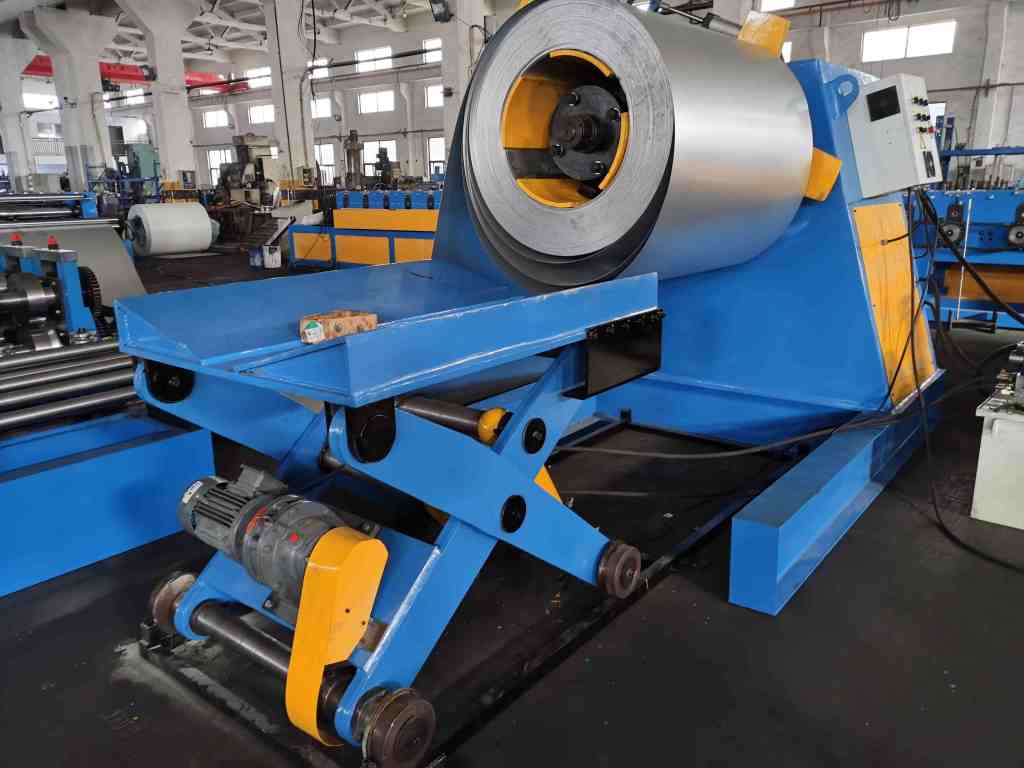
Powered Hydraulic Decoiler Machine

The Powered Hydraulic Decoiler Machine represents the standard choice for medium- to heavy-duty, high-volume operations. These systems utilize a powerful hydraulic motor or AC motor to actively rotate the mandrel and unwind the coil.

Operational Characteristics of the Powered Decoiler Machine

The key advantage of the powered system is its superior control over material payout and tension. It employs a hydraulic braking system and loop control sensors (often ultrasonic or proximity sensors) to maintain a precise slack loop. This loop ensures that the material is fed to the leveler and forming mill at a consistent speed, decoupling the inertia of the heavy coil from the sensitive forming stages. This active management is essential for successful operation across the 7 steps of the Roll Forming Process.

  • Capacity: Typically handles coils weighing 5 to 20 tons or more.

  • Application: Suitable for complex profiles, high-strength steels, and high-speed lines where precise tension control is non-negotiable.

Manual (Passive) Decoiler Machine

The Manual Decoiler Machine, or passive uncoiler, is a simpler, more economical solution designed for lighter coils and lower-speed applications. This type lacks a dedicated motor and relies solely on the pulling force exerted by the roll forming line itself to initiate coil rotation.

Suitability of the Manual Decoiler Machine

Because the material is pulled rather than actively pushed, the Manual Decoiler Machine offers less precise tension control. This limits its suitability for very thin or delicate materials where stretching or tearing may occur. However, for smaller-scale operations and less demanding material specifications, the manual system provides a cost-effective alternative that minimizes power consumption and maintenance requirements.

  • Capacity: Generally limited to coils under 3-5 tons.

  • Application: Best for small-batch production, lighter gauges, and simpler products where the production speed does not exceed 15-20 meters per minute.

Double-Head Decoiler Machine

The Double-Head Decoiler Machine is a pivotal component for manufacturers focused on maximizing operational throughput and minimizing non-productive downtime, particularly when coil weight limitations allow for its use. This system features two independent mandrels mounted on a rotating base.

Maximizing Efficiency with the Double-Head Decoiler Machine

While one coil is actively being unwound and processed, the second mandrel can be safely loaded and prepared with the subsequent coil. Once the primary coil is fully consumed, the rotating base indexes, immediately positioning the prepared coil for feeding. This changeover mechanism reduces coil loading time from potentially twenty minutes to less than sixty seconds. Such efficiency significantly impacts overall line output, offering a clear advantage over batch-based processes, a key consideration in the Stamping vs Roll Forming comparison.

  • Benefit: Achieves near-continuous operation, substantially increasing effective production time.

  • Consideration: Requires a larger floor footprint than single-head units.

Decoiler Machine with Integrated Coil Car

For facilities managing extremely heavy steel coils (e.g., 15 tons and above), the combination of a powered Decoiler Machine and an integrated Coil Car is essential. The Coil Car is a powered cart that travels on rails, aligning the new coil precisely with the decoiler mandrel.

Safety and Logistics of the Coil Car System

The primary function of the Coil Car is to ensure safe and efficient handling of massive coils. Loading heavy coils using only overhead cranes can be hazardous and imprecise. The Coil Car lifts the coil from the storage saddle, transports it, and positions it accurately onto the mandrel, often facilitating the hydraulic expansion and locking of the coil in one seamless operation. Adherence to strict material handling procedures is critical for safe operation, as detailed by industry standards such as those published by the Metal Forming Machinery Association (MFMA).

  • Key Feature: Enhances worker safety and prevents damage to the decoiler mandrel and bearings.

  • Requirement: Mandatory for handling heavy-gauge materials and high-capacity production lines.

Strategic Selection of the Appropriate Decoiler Machine Type

The final decision on the Decoiler Machine must be guided by a comprehensive analysis of four key factors:

  1. Coil Weight and Width: The machine’s load capacity and mandrel diameter must match the largest coils anticipated. Undersizing the unit risks premature bearing failure and instability.

  2. Material Specification: High-strength, thin, or easily scratched materials mandate a powered decoiler with refined tension and speed control to prevent material damage.

  3. Required Line Speed: High-speed roll forming lines necessitate the dynamic control provided by powered decoilers, and may benefit from the time savings offered by double-head systems.

  4. Operational Budget and Floor Space: Manual systems offer lower capital expenditure, while double-head and coil car systems require a higher initial investment and greater physical space.

Conclusion

The selection and configuration of the Decoiler Machine represent a fundamental decision that determines the efficiency ceiling of the entire roll forming line. Whether opting for the precise tension management of a powered unit, the sustained throughput of a double-head system, or the robust safety of a coil car integration, the decoiler must be viewed as an integral part of the process, not merely as a storage device. Beli RollForming provides tailored solutions to integrate the optimal decoiler unit, ensuring flawless material introduction for subsequent high-precision forming operations.

Ready to Optimize Your Production Flow?

For detailed consultation on selecting the perfect Decoiler Machine for your operational requirements, contact our engineering team.

Contact Beli RollForming Today for a Consultation:

  • Website: belirollforming.com / believeindustry.company

  • Email: enquiry@belirollforming.com

  • Phone/WhatsApp: +86-18616927760

Discover more from Business

Subscribe now to keep reading and get access to the full archive.

Continue reading